
This Cake Marbré is nothing like the one from your childhood - and yet, somehow, it takes you right back there with the very first bite. I still remember the first time I tasted a marble cake this layered and rich - it was at a friend's kitchen table on a gray Sunday afternoon, and I asked for the recipe before I even finished my slice. What I love most about this ultimate cake marbré is that despite its fancy-restaurant appearance, it's completely doable at home with a bit of planning and quality ingredients.
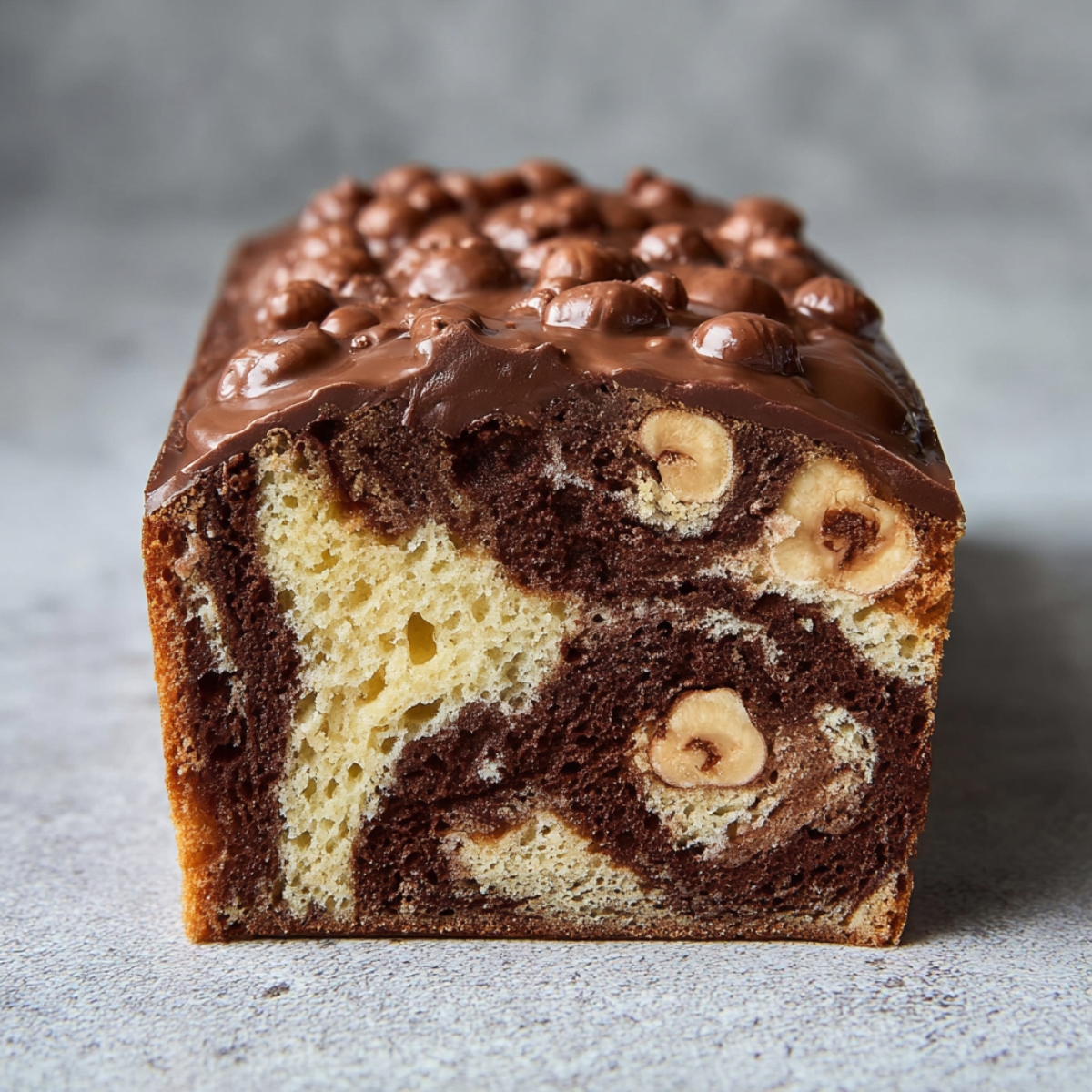
Vanilla and cocoa swirl together in every slice, the rum soaking syrup adds a deep, tender crumb, and the almond-hazelnut praline brings that little crunch you didn't know you needed. If you love recipes that impress without unnecessary fuss, you'll also fall for our Fluffy Japanese Soufflé Pancakes, our golden crispy Belgian Waffles, and our cool, refreshing Raspberry Chia Pudding for a light break between indulgent bites. And if you're planning a full brunch spread, our Super Quick Avocado Toast with Hard Boiled Egg and Turkey Sausage Recipe are perfect alongside a good cup of coffee.
Why You'll Love This Cake Marbré
This Cake Marbré genuinely checks every box. The base cake is tender and fragrant thanks to the rum soaking syrup that soaks deep into the crumb. The crunchy praline layer adds texture contrast in the best possible way. The two ganaches - white chocolate vanilla and dark chocolate - deliver a creamy richness that makes every bite feel layered. And the chocolate-gianduja glaze gives that glossy, silky finish you usually only see in professional pastry shops.
It's a two-day recipe, which actually makes it perfect for a weekend project or a special occasion. Every step is manageable on its own, and the final result is absolutely worth the time you put in.
Jump to:
Ingredients for the Ultimate Cake Marbré
Here is everything you need to make this marble cake from start to finish.
Cake Batter
- Butter (92 g): Creaming the butter creates the rich, tender texture this Cake Marbré is known for. It must be at room temperature to incorporate properly.
- Sugar (196 g): Adds sweetness and helps build the structure of the batter.
- Whole eggs (65 g): Bind the batter together and add moisture. Weigh them for precision.
- Vanilla bean (1): Perfumes the vanilla half of the batter with a warm, natural aroma.
- Fleur de sel (2 g): Balances the sweetness and brings out the depth of the chocolate.
- Heavy cream (137 g): Makes the batter more supple and contributes to the moist crumb of the cake marbré.
- All-purpose flour T55 (161 g): The structural base of the cake.
- Baking powder (3 g): Gives the Cake Marbré its lovely rise.
- Cocoa powder (13 g): Flavors the chocolate half of the batter. Use a good quality cocoa for deeper flavor.
Soaking Syrup
- Sugar (50 g): Forms the sweet base of the syrup.
- Water (125 g): Dissolves the sugar into a light, penetrating syrup.
- Rum (15 g): Adds a warm, aromatic note to the soaked Cake Marbré.
Almond-Hazelnut Praline
- Almonds (65 g): Add crunch and a lightly buttery flavor to the praline.
- Hazelnuts (65 g): Deepen the flavor of the praline paste.
- Sugar (65 g): Cooked dry to form the caramel base.
- Fleur de sel (2.5 g): Lifts all the flavors in the praline.
White Chocolate Vanilla Ganache
- Heavy cream (43 g): The base of the ganache, heated to melt the chocolate smoothly.
- ¼ vanilla bean: Infuses the cream with a delicate, floral vanilla flavor.
- White chocolate couverture (82 g): Ivoire Valrhona recommended for its fineness and fluidity.
Dark Chocolate Ganache
- Dark chocolate (37 g): Brings the bold chocolate intensity to this ganache.
- Heavy cream (62 g): Gives the ganache its smooth, pipeable texture.
- Acacia honey (7 g): Softens the ganache slightly and improves its mouthfeel.
- Glucose syrup (7 g): Adds shine and a silkier texture.
Crunchy Praline Layer
- Milk chocolate (25 g): Binds the crunchy elements together.
- Praline paste (50 g): The flavorful heart of this crunchy layer.
- Feuilletine (18 g): Those tiny crispy flakes that make every bite magical.
Toppings
- Toasted almonds (30 g) + Toasted hazelnuts (30 g): Scattered over the ganaches before glazing for texture and visual appeal.
Chocolate-Gianduja Glaze
Grapeseed oil (100 g): Thins the glaze for a perfect, fluid pour.
Milk chocolate (300 g): The base of the glaze, smooth and shiny.
Milk gianduja (120 g): Adds a gentle hazelnut sweetness to the glaze.
See recipe card for quantities.
Step-by-Step Instructions
Follow each step in order for the best result.
Make the cake batter (2 days or 1 day ahead): In a food processor or stand mixer with the paddle attachment, cream the butter, sugar, and fleur de sel together until smooth and slightly fluffy. Add the eggs, then the flour sifted with the baking powder, and finally the heavy cream. Mix until you have a completely smooth batter.
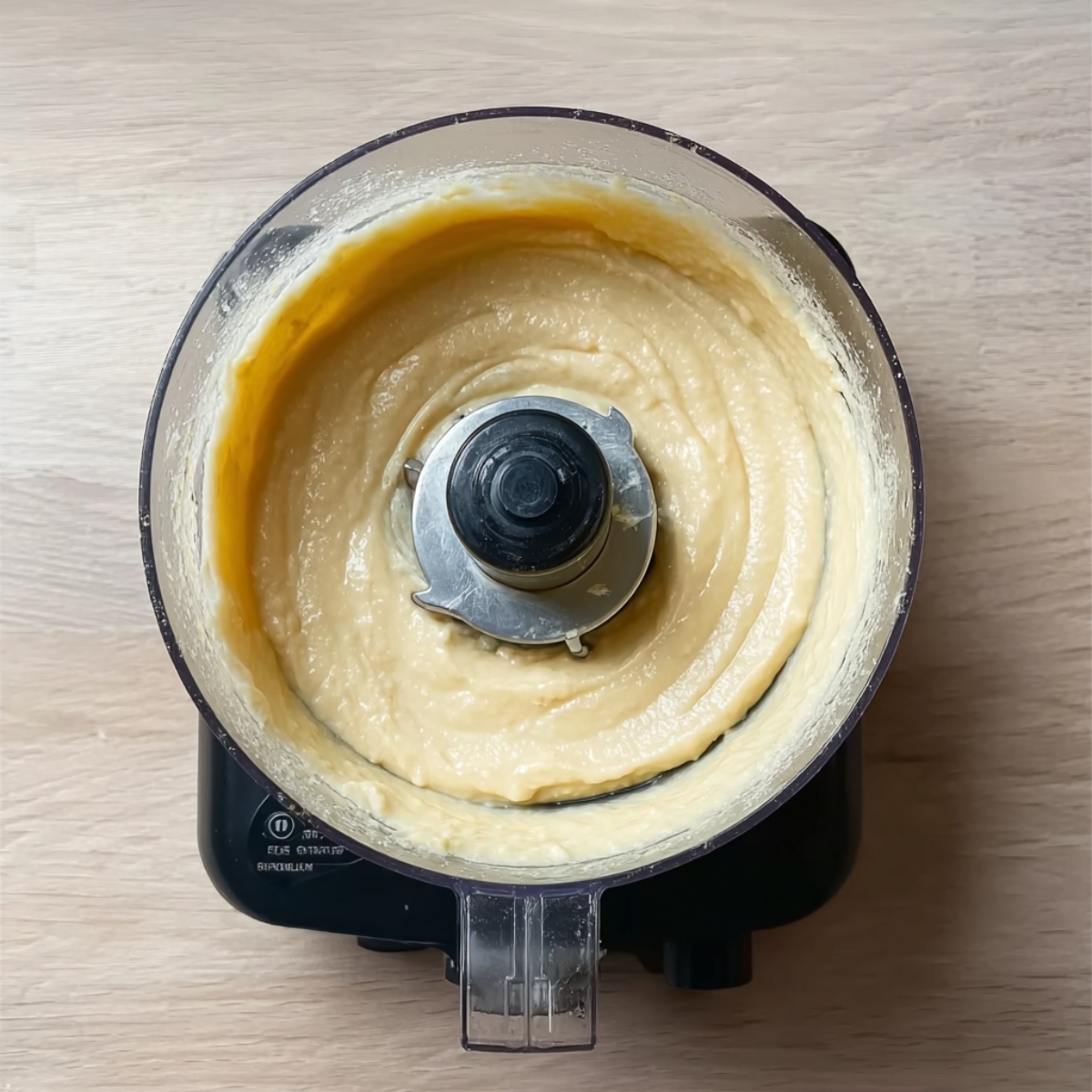
Divide and flavor: Split the batter into two equal portions. Stir the cocoa powder into one half and the vanilla bean seeds into the other. Mix each separately until combined, then transfer each into its own piping bag. Cut the tips and set aside.
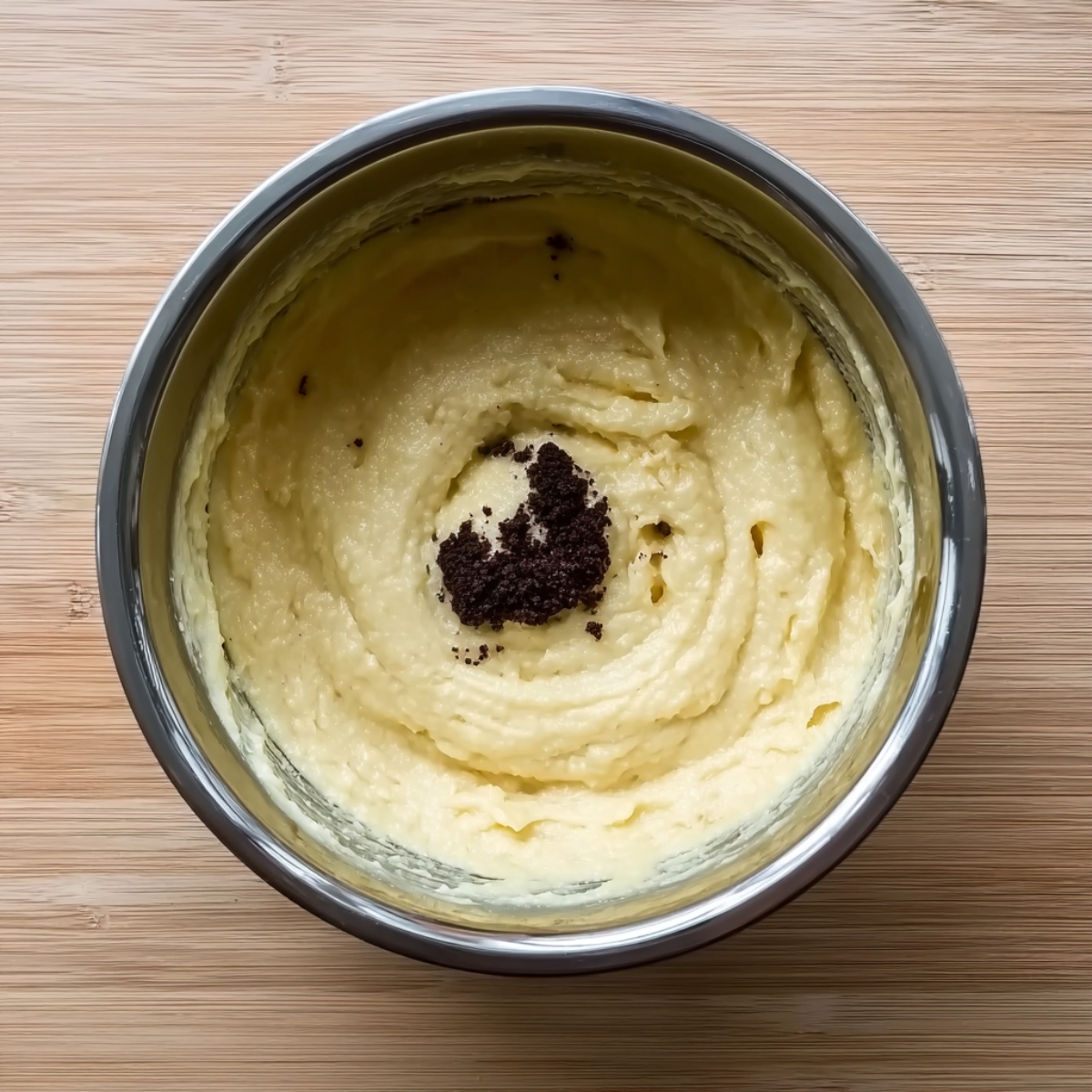
Build the marble effect: Grease your mold well. Alternate piping the vanilla and chocolate batters directly into the mold to create that natural marbled swirl. Fill only to two-thirds. Tap the mold on the counter to settle the batter evenly, then refrigerate for at least 4 hours before baking.
Make the soaking syrup (day before): Bring the water and sugar to a boil until the sugar is fully dissolved. Remove from heat, stir in the rum, and let cool completely at room temperature.
Bake the Cake Marbré (day before): Spread a thin strip of softened butter down the center of the cake - this helps it crack neatly on top. Bake at 300°F (150°C) for 40 to 45 minutes. Check doneness with a knife inserted in the center - it should come out clean and dry. As soon as it comes out of the oven, soak the still-warm cake generously with the syrup until it's fully absorbed. Let it cool, unmold carefully, and refrigerate for 12 hours.
Make the almond-hazelnut praline (day before or day of): Toast the almonds and hazelnuts in the oven at 320°F (160°C) for 15 minutes, then let them cool. Cook the sugar dry in a saucepan until you get a deep amber caramel, pour it onto a silicone mat, and let it set. Blend the hardened caramel and the toasted nuts with the salt until you get a smooth, glossy paste. Set aside.
Make the white chocolate vanilla ganache (day before): Melt the white chocolate gently. Heat the cream with the split vanilla bean, strain it over the melted chocolate, and stir with a spatula from the center outward until smooth and glossy. Press plastic wrap directly onto the surface and refrigerate overnight.
Make the dark chocolate ganache (day before): Melt the dark chocolate. Heat the cream with the honey and glucose, strain over the chocolate, and emulsify carefully until smooth. Press plastic wrap directly onto the surface and refrigerate overnight.
Make the crunchy praline layer (day of): Melt the milk chocolate, then stir in the praline paste and feuilletine with a spatula - be gentle to keep those little crispy pieces intact. Spread this layer over the top of the chilled Cake Marbré and place in the freezer for 10 minutes to set.
Pipe the ganaches and finish: Transfer each cold ganache into its own piping bag. Pipe small dots alternating dark chocolate and vanilla ganache across the entire top of the Cake Marbré. Scatter toasted almonds and hazelnuts over everything. Refrigerate for 30 to 40 minutes until the ganaches are firm.
Make the chocolate-gianduja glaze: Melt the milk chocolate and gianduja together. Stir in the grapeseed oil and emulsify until silky. Let it cool to exactly 86-90°F (30-32°C) - this is the sweet spot for a fluid, even coat. Dip the cake ganache-side down into the glaze, let the excess drip off cleanly, and refrigerate for 30 minutes before serving.
Smart Substitutions
This cake marbré is flexible in a few places. If you can't find gianduja, replace it with good quality milk chocolate and stir in a tablespoon of hazelnut paste. Feuilletine can be swapped for crushed gaufrette wafers or finely crumbled cornflakes for a similar crunch. The rum can simply be left out for an alcohol-free version - the water and sugar syrup alone does a wonderful job of keeping the cake marbré moist. For the white chocolate, always choose a couverture - it melts smoothly and sets correctly for the ganache.
Equipment You'll Need
To make this cake carbré properly, you'll need: a food processor or stand mixer with a paddle attachment (600W minimum), a Silikomart MK mold or a standard 25x8x8 cm loaf pan, parchment paper for a classic pan, a microplane for scraping vanilla, rubber spatulas, a saucepan, a baking sheet, tipless piping bags, and a fine mesh strainer.
How to Store Your Cake Marbré
Store your finished cake marbré tightly wrapped in the refrigerator for up to 3 to 4 days. Pull it out 15 to 20 minutes before serving to let all the textures come back to life at the right temperature. The plain baked cake base (before ganaches and glaze) can be wrapped tightly and frozen for up to one month - a great make-ahead option.
Expert Tips for a Perfect Cake Marbré
The 12-hour refrigerator rest after soaking is non-negotiable - it's what gives this cake marbré that impossibly moist, tender crumb all the way through. Don't skip it. Watch your glaze temperature closely: too warm and it runs off completely, too cool and it won't spread. For the most visible marble effect, resist the urge to swirl the two batters too much in the mold - simple alternating layers create the best-looking slices.
For a smooth white chocolate ganache, start emulsifying from the center and work outward slowly - it prevents lumps and gives you that silky finish. And if either ganache feels too firm after refrigerating overnight, let it sit at room temperature for a few minutes and stir gently before piping.
FAQ
What are the ingredients for a marble cake recipe?
A classic Cake Marbré needs butter, sugar, eggs, flour, baking powder, cream, vanilla, and cocoa powder. This ultimate version adds a rum soaking syrup, crunchy praline, two ganaches, and a gianduja glaze for a result that's genuinely on a different level.
What is Cyril Lignac's marble cake recipe?
Cyril Lignac's approach to a moelleux Cake Marbré leans on quality butter and gentle low-temperature baking - exactly the philosophy behind this recipe at 300°F (150°C). Our version builds on that same principle and layers in extra textures for a more indulgent result.
How do you make a perfect marble cake?
The two secrets to a great Cake Marbré are simple: don't over-swirl the two batters in the mold, and chill the batter before baking. Chilling locks the marbling in place and gives you those beautiful clean swirls when you slice it.
How do you make a chocolate cake more moist?
Soak it. A warm syrup applied to a still-warm cake soaks deep into the crumb and completely transforms the texture. That's exactly what the rum syrup does in this cake marbré - it keeps the cake deeply moist for days. Adding heavy cream to the batter instead of milk, as this recipe does, also makes a noticeable difference.
Related
Looking for other recipes like this? Try these:
Pairing
These are my favorite dishes to serve with [this recipe]:
Ultimate Marble Cake
Ingredients
Equipment
Method
- In a large mixer, combine butter, sugar, and salt until smooth and creamy.
- Gradually add eggs, then fold in sifted flour with baking powder and finally the cold cream until fully incorporated.
- Divide the batter evenly into two bowls. To one bowl, whisk in cocoa powder until uniform.
- Add vanilla seeds to the other bowl and mix thoroughly.
- Transfer each batter into separate piping bags without tips, snipping the ends.
- Pipe alternating layers of vanilla and chocolate batter into a greased loaf pan, filling about two-thirds full. Tap the pan lightly on the counter to settle the batter.
- Refrigerate the cake for at least 4 hours before baking.
- For the soaking syrup, heat sugar and water in a small saucepan until sugar dissolves. Remove from heat and stir in rum. Let cool completely.
- Brush cooled cake with syrup while still warm until fully absorbed.
- Preheat oven to 150°C (300°F). Spread a thin ribbon of softened butter along the center of the cake.
- Bake cake for 40–45 minutes, testing with a knife; it should come out clean.
- Allow the cake to cool, then unmold and refrigerate for 12 hours.
- Toast almonds and hazelnuts at 160°C for 15 minutes. Let cool.
- Cook sugar in a dry pan until amber caramel forms. Spread on parchment to cool.
- Blend caramelized nuts with fleur de sel in a food processor until smooth and creamy, pausing to scrape down sides as needed.
- Melt white chocolate and prepare vanilla ganache by heating cream with vanilla seeds, pouring over chocolate, and stirring until smooth.
- Melt dark chocolate and heat cream with honey and glucose syrup, pour over chocolate and emulsify.
- For the crunchy praline, mix melted milk chocolate with praline paste and crushed feuilletine.
- Spread the crunchy praline layer on top of the cake and freeze for 10 minutes.
- Pipe alternating dollops of vanilla and dark chocolate ganache over the cake surface.
- Sprinkle toasted almonds and hazelnuts over ganache, pressing lightly. Freeze for 30–40 minutes.
- Melt milk chocolate and gianduja, whisk in grapeseed oil, and cool to 30–32°C.
- Dip the cake (ganache side down) into glaze, letting excess drip off, then place on parchment and refrigerate 30 minutes to set.
- Slice and enjoy.
Leave a Reply