
I'll never forget the first time I made this Pan Seared Ribeye Steak With Garlic Butter at home instead of ordering it at a steakhouse. Liam peeked over the counter and said, Mom, it smells like a fancy restaurant in here. He was right. This recipe gives you that same rich, buttery crust and tender center you'd pay thirty dollars for, but you're making it in your own cast iron skillet in just ten minutes.
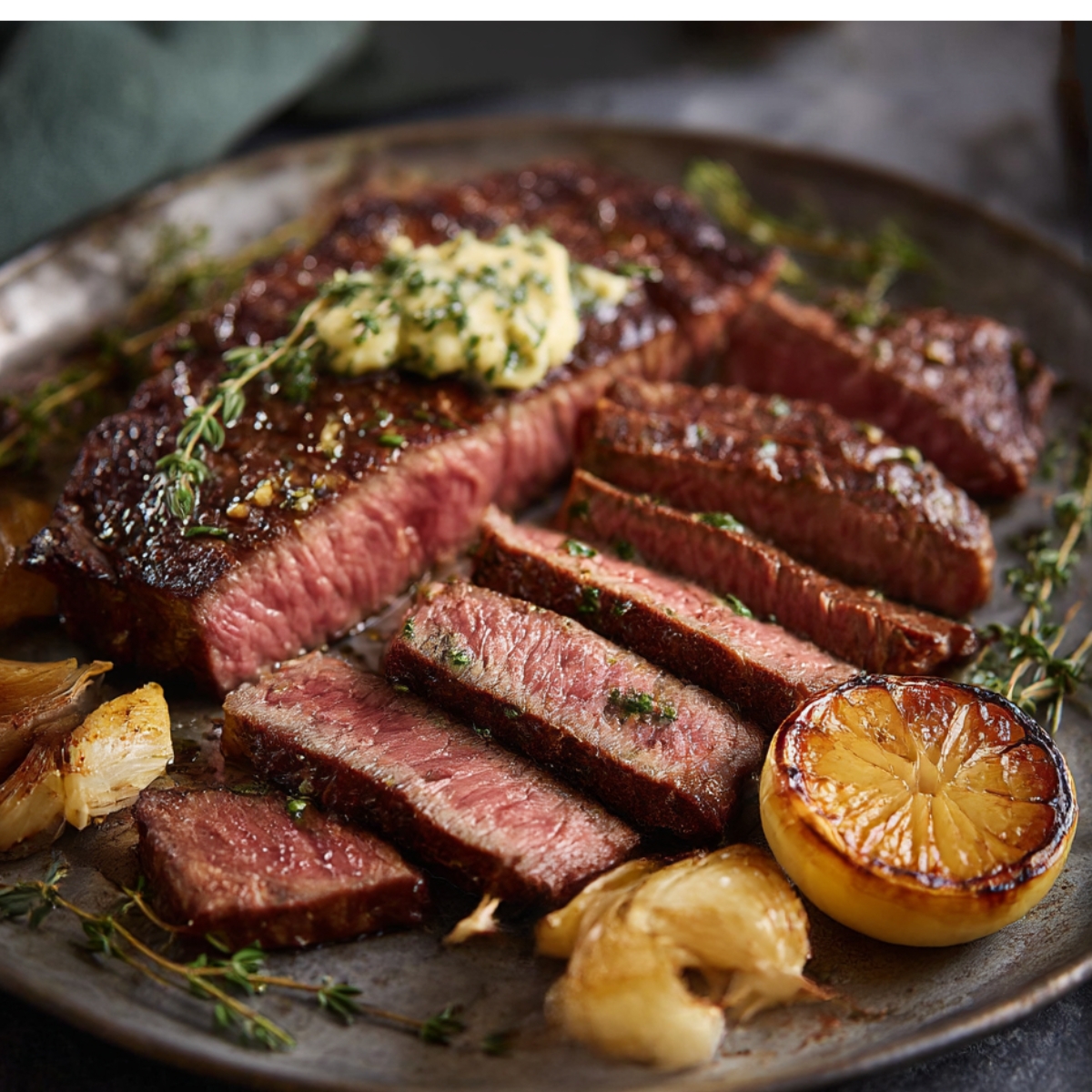
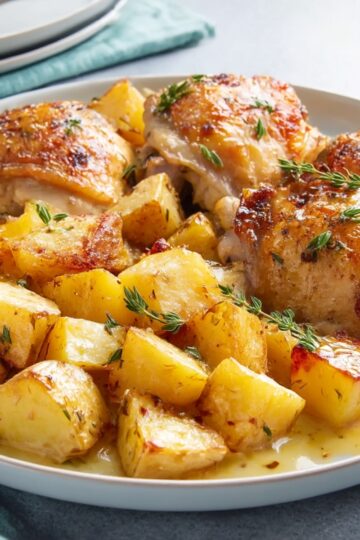
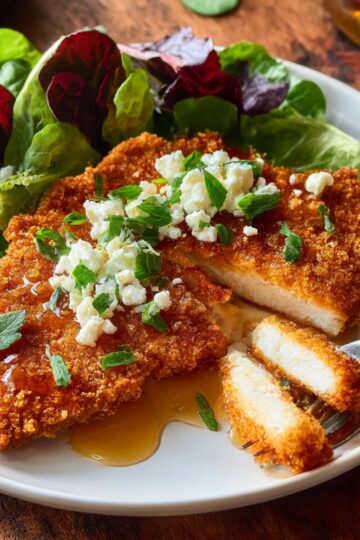
No grill, no fuss, just pure steakhouse flavor. If you love bold, meaty dinners, you might also enjoy this Greek-Style Grilled Chicken With Lemonor these Easy Bang Bang Chicken Bowls on the side. And for a lighter garlic-forward dish, try this The Best Southern Baked Mac and Cheese Recipe.
What You'll Love About This Seared Ribeye Steak Recipe
Rich, steakhouse flavor at home. The combination of seared ribeye seared crust,garlic buttersteak basting, and oven finishing creates restaurant-quality results without leaving your kitchen.
Quick and foolproof. From skillet to plate in about twelve minutes of cooking time. Perfect for weeknight dinners or special occasions.
Simple ingredients, big impact. Just ribeye, butter, garlic, thyme, salt, and pepper. No complicated marinades or long prep.
Works with any thickness. Whether you've got one thick ribeye or two smaller steaks, this method adapts beautifully.
Jump to:
- What You'll Love About This Seared Ribeye Steak Recipe
- Ingredients For This Seared Ribeye Steak
- Instructions For This Seared Ribeye Steak
- Substitutions and Variations
- Equipment For This Seared Ribeye Steak
- How to Store and Reheat
- Expert Tips for Seared Ribeye Steak
- FAQ
- Related
- Pairing
- Pan Seared Buttery Garlic Ribeye Steak
Ingredients For This Seared Ribeye Steak
Let me walk you through what makes this seared ribeye steak so perfect.
Vegetable oil: Creates the initial sear without burning. Its high smoke point handles the intense heat needed for a great crust.
Ribeye steak: The star of the show. Choose steaks at least 1 inch thick for the best results. Ribeye steak marbling keeps it juicy and flavorful.
Garlic: Sliced in half and cooked in the butter, it infuses every spoonful of that basting liquid with sweet, roasted flavor.
Fresh thyme: Adds an earthy, herbaceous note that complements the richness of the beef and butter.
Butter: This is what creates that glossy, flavorful coating. As you baste, it carries the garlic and thyme flavors right into the meat.
Salt and black pepper: Season generously. A good steak needs bold seasoning to bring out its natural flavor.
See recipe card for quantities.
Instructions For This Seared Ribeye Steak
Here's how to cook a pan seared Ribeye steak in cast iron like a pro.
Prepare the steak: Remove the steak from the refrigerator 30 minutes before cooking. Pat it dry and season both sides generously with salt and black pepper. This resting time helps the steak cook more evenly.
Preheat the oven: Set your oven to 450°F (232°C) so it's ready when you need it.
Sear the steak: Heat the vegetable oil in a cast iron or oven-proof skillet over medium-high heat until it's shimmering. Add the steaks, garlic halves, and thyme sprigs. Let the steak cook undisturbed for about 4 minutes to develop a deep brown crust.
Flip seared ribeye steak and baste: Use tongs to flip the steaks. Add the butter to the skillet and let it melt. Place the garlic and thyme on top of the steaks to keep them from burning. Tilt the skillet slightly and use a spoon to baste the steaks continuously with the melted garlic butter for about 2 minutes.
Finish in the oven: Transfer the skillet to the preheated oven and cook for about 2 minutes, or until the internal temperature is about 5°F below your target doneness. For medium-rare, aim for 125°F.
Rest the steak: Remove the steaks from the skillet and tent loosely with foil. Let them rest for 5 minutes. This allows the juices to redistribute. Spoon the remaining garlic butter from the skillet over the steaks before serving.
Substitutions and Variations
Different cuts: If you can't find ribeye, try New York strip, sirloin, or filet mignon. Adjust cooking time based on thickness.
Herb swaps: Use rosemary or oregano instead of thyme for a different flavor profile.
Oil options: Avocado oil or grapeseed oil work just as well as vegetable oil.
Add heat: Toss in a pinch of red pepper flakes with the garlic for a spicy kick.
Compound butter: Mix softened butter with minced garlic, herbs, and lemon zest, then top the rested steak with a pat of it.
Equipment For This Seared Ribeye Steak
Cast iron skillet or heavy oven-proof skillet: Essential for even heat distribution and oven safety.
Tongs: For flipping the steak without piercing it.
Spoon: For basting the steak with butter.
Instant-read meat thermometer: Takes the guesswork out of doneness.
Aluminum foil: To tent the steak while it rests.
How to Store and Reheat
Refrigerator: Store leftover steak in an airtight container for up to 3 days.
Freezer: Wrap tightly in plastic wrap, then foil, and freeze for up to 2 months.
Reheating: For best results, reheat in a 250°F oven until warmed through. You can also slice it thin and reheat gently in a skillet with a little butter. Avoid the microwave if you want to preserve the texture.
Expert Tips for Seared Ribeye Steak
Bring steak to room temperature. This helps it cook evenly and prevents a cold center.
Pat the steak dry. Moisture is the enemy of a good sear. Dry steak = better crust.
Don't move the steak. Let it sit undisturbed during the initial sear. You'll know it's ready to flip when it releases easily from the pan.
Use a thermometer. Guessing doneness leads to overcooked steak. Pull it 5°F before your target temp—it'll continue cooking as it rests.
Baste generously. That's where the magic happens. The butter carries flavor and keeps the surface moist.
Let it rest. Cutting into steak too soon releases all the juices onto the cutting board instead of staying in the meat.
FAQ
How to do garlic steak?
Sear your steak in a hot skillet, then add butter, garlic, and herbs. Baste the steak with the melted butter continuously, letting the garlic infuse the butter as it cooks. Finish in the oven for even doneness.
What is the 3-3-3 rule for steaks?
The 3-3-3 rule is a grilling method: 3 minutes per side on high heat, 3 minutes per side on medium heat, then 3 minutes of rest. For this pan seared ribeye steak, we use a different technique with oven finishing for more control.
Is garlic good on steak?
Absolutely. Garlic adds a sweet, savory depth that complements the richness of beef beautifully. When cooked in butter, it becomes mellow and aromatic, coating the steak in flavor.
Should I fry garlic before steak?
No need. Adding garlic halves to the pan with the steak, then placing them on top during basting, prevents burning and infuses the butter perfectly. Frying garlic separately can lead to bitterness.
Related
Looking for other recipes like this? Try these:



Pairing
These are my favorite dishes to serve with [this recipe]:



Pan Seared Buttery Garlic Ribeye Steak
Ingredients
Equipment
Method
- Remove the steak from the refrigerator and let it rest at room temperature for about 30 minutes. Season both sides generously with salt and black pepper.
- Preheat the oven to 450ºF (232ºC).
- Heat the oil in a cast iron or heavy oven-proof skillet over medium-high heat. Once hot, add the steak, garlic, and thyme. Let the steak cook for about 4 minutes without turning.
- Use tongs to flip the steak. Add butter to the pan, placing the garlic and thyme on top of the steak. Tilt the skillet towards you to pool the butter, then continuously spoon the melted butter over the steak for 2 minutes.
- Transfer the skillet to the preheated oven and cook the steak for about 2 minutes, depending on thickness and desired doneness. Use a meat thermometer and remove when the steak is 5º below your target temperature (125ºF for medium-rare).
- Remove the steak from the skillet and tent it with foil. Let it rest for 5 minutes. Spoon any remaining butter from the skillet over the steak before serving.

Leave a Reply