
This Napoleon Cake is the real deal. Thin layers of buttery, golden pastry stacked high with a silky vanilla egg yolk cream, all softening overnight into something that just melts the moment it hits your tongue. I first had a slice of Napoleon Cake at a neighbor's holiday table years ago, and I remember thinking, "I need to learn how to make this." The good news is that it's more approachable than it looks, and every bit of effort pays off in that first bite.
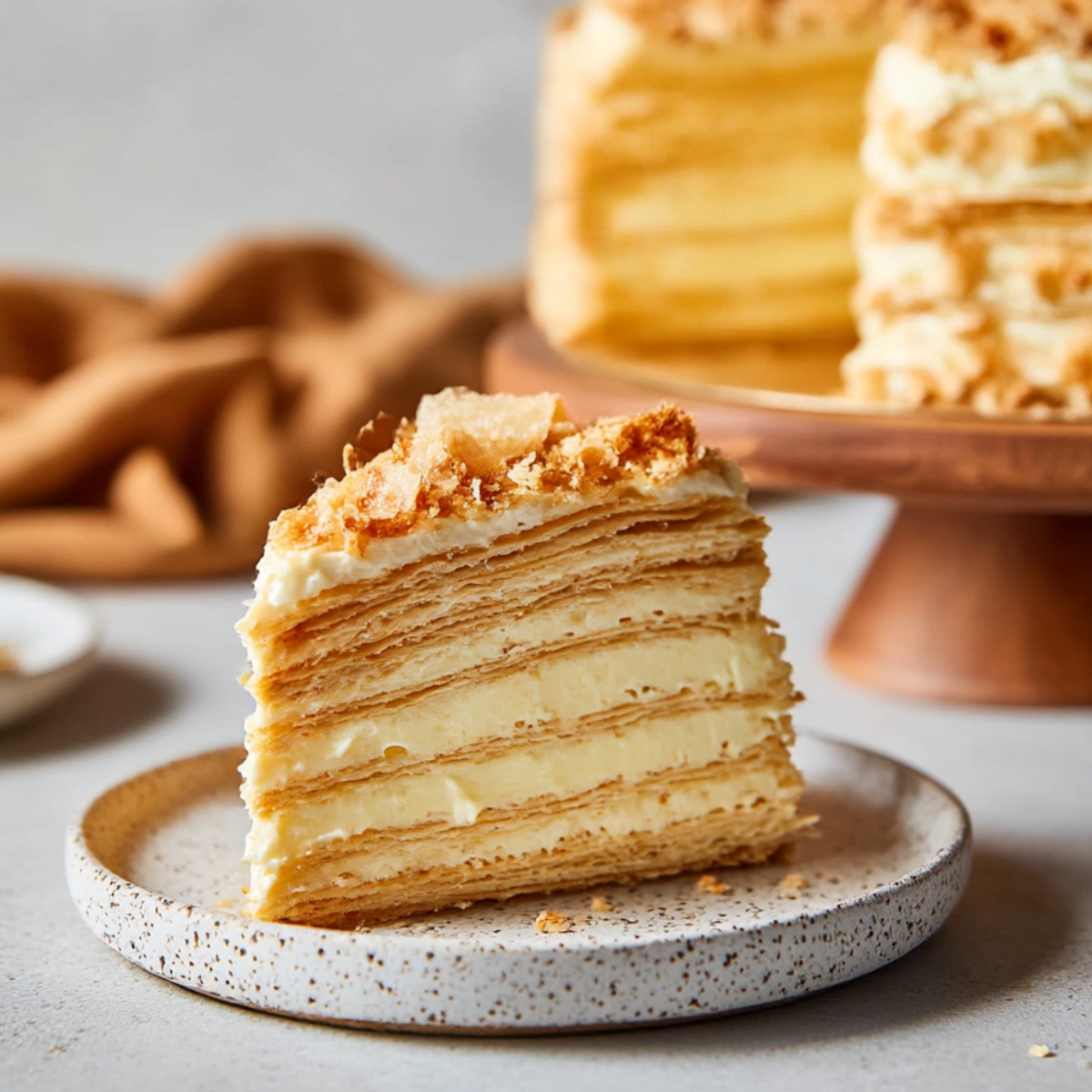
If you love cozy, layered desserts that feel a little special, you're going to want to save this one. And while you're here, don't miss some of our other favorite recipes like Strawberry Shortcake Truffles , Red Velvet Cheesecake Balls, and Chocolate Raspberry Cake .
Why You'll Love This Napoleon Cake
This best Napoleon Cake recipe earns a permanent spot in your rotation for a few really good reasons. First, the homemade pastry is incredibly flaky and light without being fussy or complicated. The egg yolk cream is thick, silky, and deeply vanilla-flavored in a way that store-bought custard just can't match. After a night in the fridge, the layers absorb the cream and transform into something soft and dreamy from the inside out.
It's also the kind of cake that looks stunning on a table without requiring professional decorating skills. The crushed pastry crumb coating does all the work for you. Whether you're making the easy Napoleon Cake recipe version for a weeknight treat or going all in for a special occasion, this cake delivers every single time.
Jump to:
Ingredients You'll Need
For a recipe like this one, the quality of your ingredients really does show up in the final result.
For the Pastry Circles:
- All-purpose flour (5½ cups): Forms the structure of the pastry layers and gives them that light, flaky bite.
- Salt (pinch): Balances the richness of the butter and enhances overall flavor.
- Unsalted butter, cold and cubed (3½ sticks): The key to flaky pastry. Cold butter creates steam pockets as it bakes, giving each circle those delicate, layered layers.
- Large eggs (2): Help bind the dough together and add a little richness.
- Ice water (¾ cup): Keeps the dough cold and workable without warming the butter.
- Apple cider vinegar (1½ tablespoons): Relaxes the gluten slightly, making the dough easier to roll thin and more tender after baking.
- Vanilla paste (1 teaspoon): Adds a warm, subtle vanilla note right into the pastry itself.
For the Egg Yolk Cream:
- Large egg yolks (6): The base of this rich custard. They give the cream its golden color and silky body.
- Granulated sugar (1 cup): Sweetens and helps stabilize the custard as it cooks.
- All-purpose flour (⅔ cup): Thickens the cream to a spreadable, luscious consistency.
- Whole milk (4 cups): Full-fat milk creates a creamy, rich custard. Divided use helps with tempering.
- Unsalted butter (1 cup): Stirred in at the end for a glossy, velvety finish.
- Vanilla paste (2 teaspoons): Adds deep, floral vanilla flavor throughout every layer.
See recipe card for quantities.
How to Make Napoleon Cake
Short intro: Follow these steps carefully and your Napoleon Cake will turn out beautifully, even on the first try.
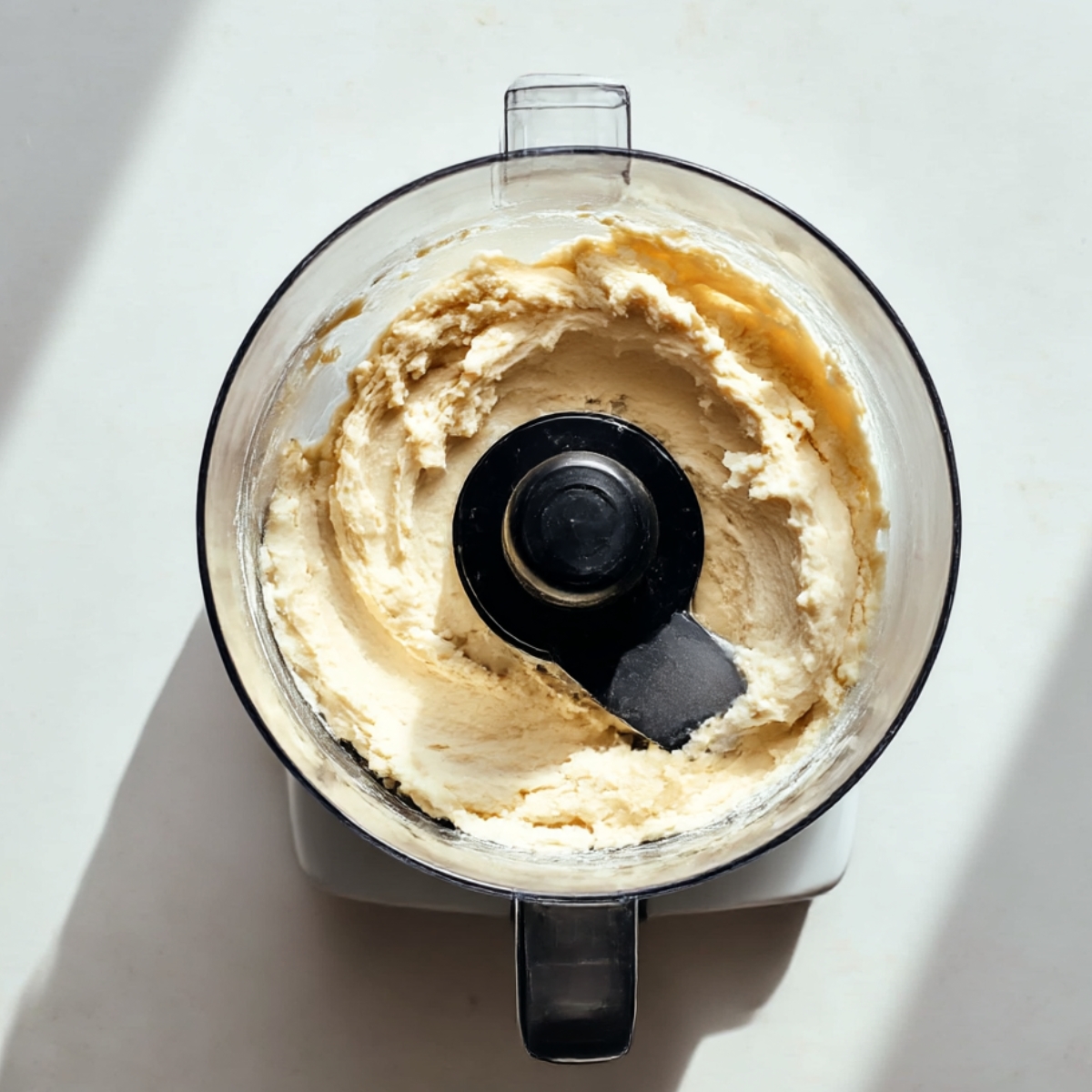
Make the pastry dough: In a food processor, pulse the flour, salt, and cold cubed butter until it looks like rough, sandy crumbs. In a separate bowl, whisk together the eggs, ice water, apple cider vinegar, and vanilla paste. Gradually add the egg mixture to the processor and pulse until the dough just barely comes together. Do not overmix or the pastry will become tough.
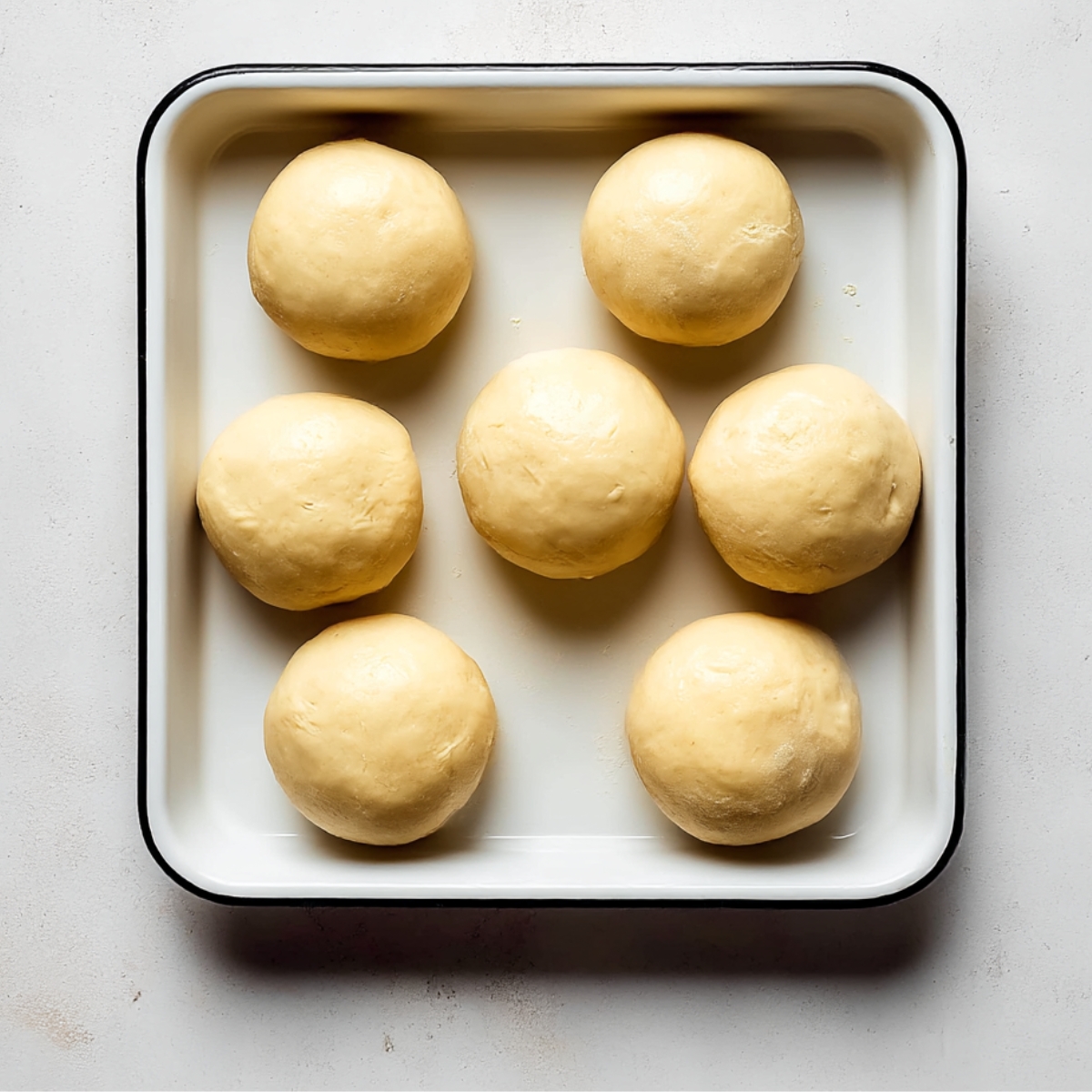
Chill the dough: Divide the dough into 7 equal portions. Roll each into a ball, flatten into a disk, wrap tightly in plastic wrap, and refrigerate for 2 to 3 hours. This rest is important for making the dough easy to roll and for keeping those layers flaky.
Preheat and prepare: Preheat your oven to 375°F (190°C). Line your baking sheets with parchment paper and have your 8-inch round mold or plate ready to use as a guide.
Roll and bake the circles: On parchment paper, roll each chilled dough disk into a thin 8-inch circle. Use your round mold as a guide and trim the edges if needed. Save the trimmed scraps. Prick each circle all over with a fork to prevent puffing. Bake one at a time for 10 to 12 minutes until deep golden. The circles should look dry and lightly caramelized at the edges. Cool completely before assembling.
Crush the scraps and trimmings: Gather your leftover edge trimmings and any slightly overdone circles, then crush them into fine crumbs. Set aside for coating the outside of the finished Napoleon Cake.
Make the egg yolk cream: In a medium bowl, whisk together the egg yolks, sugar, and a splash of the measured milk until smooth. Whisk in the flour until completely lump-free. In a saucepan, heat the remaining milk over medium heat until it just starts to boil. Slowly pour the hot milk into the egg mixture while whisking constantly to temper it. Return the entire mixture to the saucepan and cook over medium heat, stirring constantly, until thickened and gently bubbling, about 5 minutes. Remove from heat and stir in the butter and vanilla paste until smooth and glossy. Press plastic wrap directly onto the surface and let it cool completely before using.
Assemble the cake: Place one pastry circle on your serving platter. Spread 2 to 3 tablespoons of the cooled egg yolk cream evenly over the top. Repeat, alternating layers of pastry and cream, pressing gently as you go. Finish with a generous layer of cream on the very top and spread a thin layer around the sides as well.
Coat with crumbs: Press the crushed pastry crumbs all over the top and sides of the Napoleon Cake. They'll stick to the cream and give the cake that classic rustic, golden finish.
Chill overnight: Refrigerate for at least 3 hours, but overnight is truly best. The pastry layers absorb the cream and the whole cake becomes tender, cohesive, and absolutely delicious.
Substitutions and Swaps
- Apple cider vinegar can be replaced with white vinegar in equal measure.
- Vanilla paste can be swapped for pure vanilla extract, using the same amounts.
- Whole milk is strongly recommended for the cream, but 2% will work in a pinch. Avoid skim milk.
- Unsalted butter keeps you in control of the salt level, but lightly salted butter works if that's what you have.
Equipment You'll Need
Food processor, mixing bowls, whisk, saucepan, rolling pin, parchment paper, 8-inch round mold or plate, baking sheets, and plastic wrap.
Storage Tips
Wrap the finished Napoleon Cake in plastic wrap or store it in an airtight container in the refrigerator. It keeps well for up to 4 days and honestly tastes even better on day two and three as the layers continue to soften. Freezing is not recommended as the cream texture changes after thawing.
Expert Tips for the Best Results
Press gently when assembling. You want the layers to settle evenly, but too much pressure will crack the pastry circles.
Keep your butter cold. Warm butter melts into the flour instead of creating those flaky pockets. Work quickly and return the dough to the fridge if it softens.
Roll the circles as thin as possible. Thinner circles bake up crispier and absorb the cream better overnight.
Cool everything completely. Spreading cream on warm pastry will melt it and make a soggy mess. Patience here makes all the difference.
Don't skip the overnight chill. This is where the Napoleon Cake goes from good to unforgettable. The layers meld together and the texture becomes something truly special.
FAQ
What is a Napoleon Cake made of?
Napoleon Cake is made of thin, flaky pastry circles layered with a rich vanilla egg yolk custard cream. The outside is coated with crushed pastry crumbs, giving it a distinctive golden, rustic look. It's a classic Russian and Eastern European puff pastry dessert that softens beautifully after chilling.
Why is it called a Napoleon Cake?
The Napoleon Cake origin is tied to 19th century Russia, though the exact story varies. Some say it was created to celebrate the anniversary of Napoleon Bonaparte's defeat. Others connect the name to the triangular shape of early versions, which resembled Napoleon's famous hat. Either way, the name stuck and the cake became a beloved tradition.
Is Napoleon a Russian cake?
Napoleon Cake is deeply associated with Russian and Eastern European baking traditions, though its roots are connected to the French mille-feuille. The Russian Napoleon Cake recipe became its own distinct dessert over generations, richer and more homestyle than the French original. Today both the Russian and Ukrainian Napoleon Cake recipe versions are cherished classics.
What dough is used for Napoleon?
The dough used in Napoleon Cake is a rough puff pastry made with flour, cold butter, eggs, ice water, and a little vinegar. It's not quite the same as store-bought puff pastry, but it bakes up beautifully thin, crispy, and flaky. Some easy Napoleon Cake recipes with puff pastry use store-bought sheets as a shortcut, which works well when you're short on time.
Related
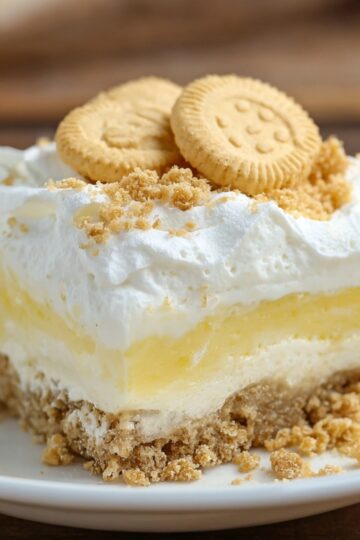
Looking for other recipes like this? Try these:
Pairing
These are my favorite dishes to serve with [this recipe]:
Classic Russian Napoleon Cake
Ingredients
Equipment
Method
- Combine the flour, salt, and cold cubed butter in a food processor and pulse until coarse crumbs form.
- Whisk together eggs, ice water, apple cider vinegar, and vanilla paste in a separate bowl.
- Gradually add the egg mixture to the flour-butter crumbs in the food processor, pulsing until the dough starts to come together. Be careful not to overmix.
- Divide the dough into 8 equal portions. Shape each into a ball, flatten into disks, wrap tightly in plastic wrap, and refrigerate for 2-3 hours.
- Preheat the oven to 375°F (190°C).
- Roll out each chilled dough portion into a thin circle on parchment paper. Use an 8" round mold or plate to cut uniform circles.
- Prick the dough all over with a fork to prevent excessive puffing while baking.
- Place the pastry circles on parchment-lined baking sheets. Bake for 10-12 minutes, until golden brown. Remove and cool completely.
- Cut and remove the outer rings of the baked circles, crush them into fine crumbs, and set aside for coating the cake.
- In a medium bowl, whisk egg yolks and sugar together, adding a small amount of milk if necessary to combine.
- Whisk in flour until smooth and lump-free, adding extra milk if needed to adjust consistency.
- Heat the remaining milk in a saucepan until just boiling. Slowly temper the hot milk into the egg mixture, stirring constantly.
- Return the mixture to the saucepan and cook over medium heat, stirring constantly, until thickened and boiling.
- Remove from heat and stir in butter and vanilla paste until fully incorporated and smooth.
- Transfer cream to a bowl and cover with plastic wrap directly on the surface to prevent skin formation. Let cool completely.
- Assemble the cake by layering one pastry circle on a serving platter, then spreading 2-3 tablespoons of the cream on top. Repeat with remaining circles and cream.
- Finish by covering the top and sides with cream, then gently pressing the crushed pastry crumbs onto the surface.
- Refrigerate for at least 3 hours or overnight to allow layers to meld and soften.
Leave a Reply