
German pancakes are big, puffy, golden, and honestly one of the most fun breakfast recipes you can make. The edges climb up the sides of the pan, the center stays soft and custardy, and the whole thing comes out looking like something straight from a bakery window. I still remember the first time I pulled a German pancake out of the oven and called my kids over just to watch it deflate a little on the counter. They thought it was the coolest thing they'd ever seen in the kitchen.
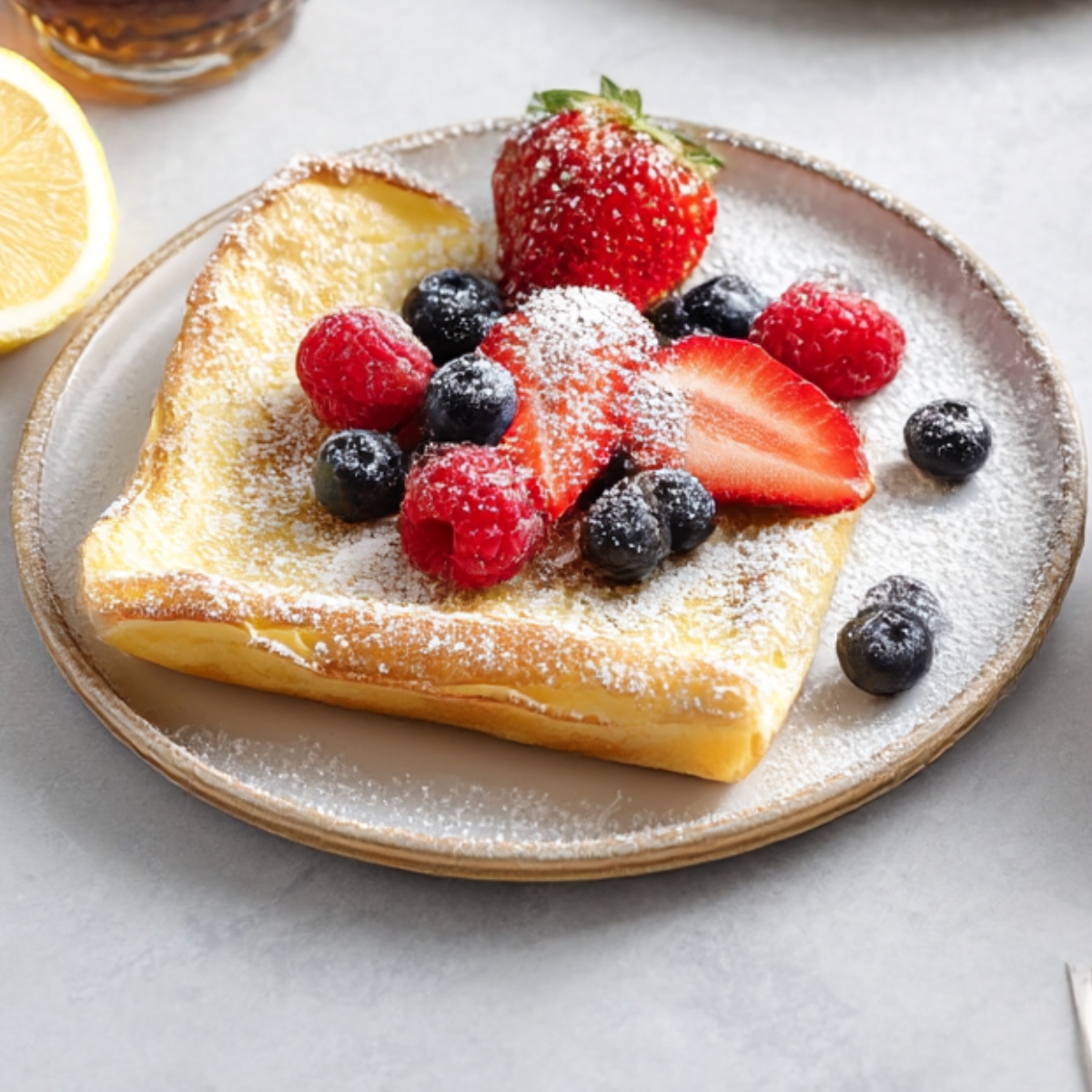
The best part? You only need six simple ingredients and about five minutes of hands-on work. No flipping, no standing over a hot griddle, no stress. Just blend, pour, and bake. These German pancakes are perfect for a lazy Sunday morning, a holiday breakfast, or any time you want something special without the fuss. If you love warm, cozy breakfast recipes, you might also enjoy these Crispy Apple Fritters, a creamy Cottage Cheese Egg Bake, or our fluffy One Hour Cinnamon Rolls. For something sweet and bakery-style, try our Coffee Cake Muffins with Cinnamon Swirl, the Cinnamon Cruffin Recipe, or this gorgeous Dutch Oven Bread Recipe.
Why You'll Love This German Pancake Recipe
These German pancakes are genuinely hard not to love. Here's why this recipe keeps making it onto our weekend table:
- Only six ingredients. Butter, eggs, flour, milk, vanilla, and a dash of salt. That's it.
- No flipping required. The oven does everything for you.
- Ready in about 30 minutes. Faster than most traditional pancake batches.
- Feeds the whole family. One big German pancake makes six servings right from the pan.
- Endlessly customizable. Powdered sugar and lemon, fresh berries, maple syrup, or all of the above.
- Fun to watch. It puffs up dramatically in the oven, which never gets old.
Jump to:
Ingredients for German pancakes
Here's everything you need to make a perfect German pancake from scratch.
¼ cup butter: This melts directly in the baking dish as the oven preheats, creating a rich, golden base that keeps the pancake from sticking and adds beautiful flavor to the edges.
6 eggs: The heart of this recipe. A good amount of eggs is what gives German pancakes their signature puffy rise and soft, custardy center.
1 cup all-purpose flour: Gives the batter just enough structure to hold its shape as it bakes and puffs up around the edges.
1 cup whole milk: Adds richness and keeps the texture tender and soft. Whole milk works best here for the creamiest result.
1 teaspoon vanilla: A small touch that rounds out the flavor and adds a warm, sweet note without overpowering anything.
Dash of salt: Balances the sweetness and brings all the other flavors together.
Optional toppings: A squeeze of fresh lemon juice, powdered sugar, fresh berries, and maple syrup. Simple, fresh, and absolutely delicious on a warm German pancake.
See recipe card for quantities.
How to Make German Pancakes
Follow these easy steps and you'll have a beautiful, puffy German pancake on the table in under 30 minutes.
Preheat the oven: Set your oven to 425°F (220°C). Place the butter in a 9x13-inch baking dish and slide it into the oven while it preheats. You want the butter fully melted and the dish nice and hot before the batter goes in.
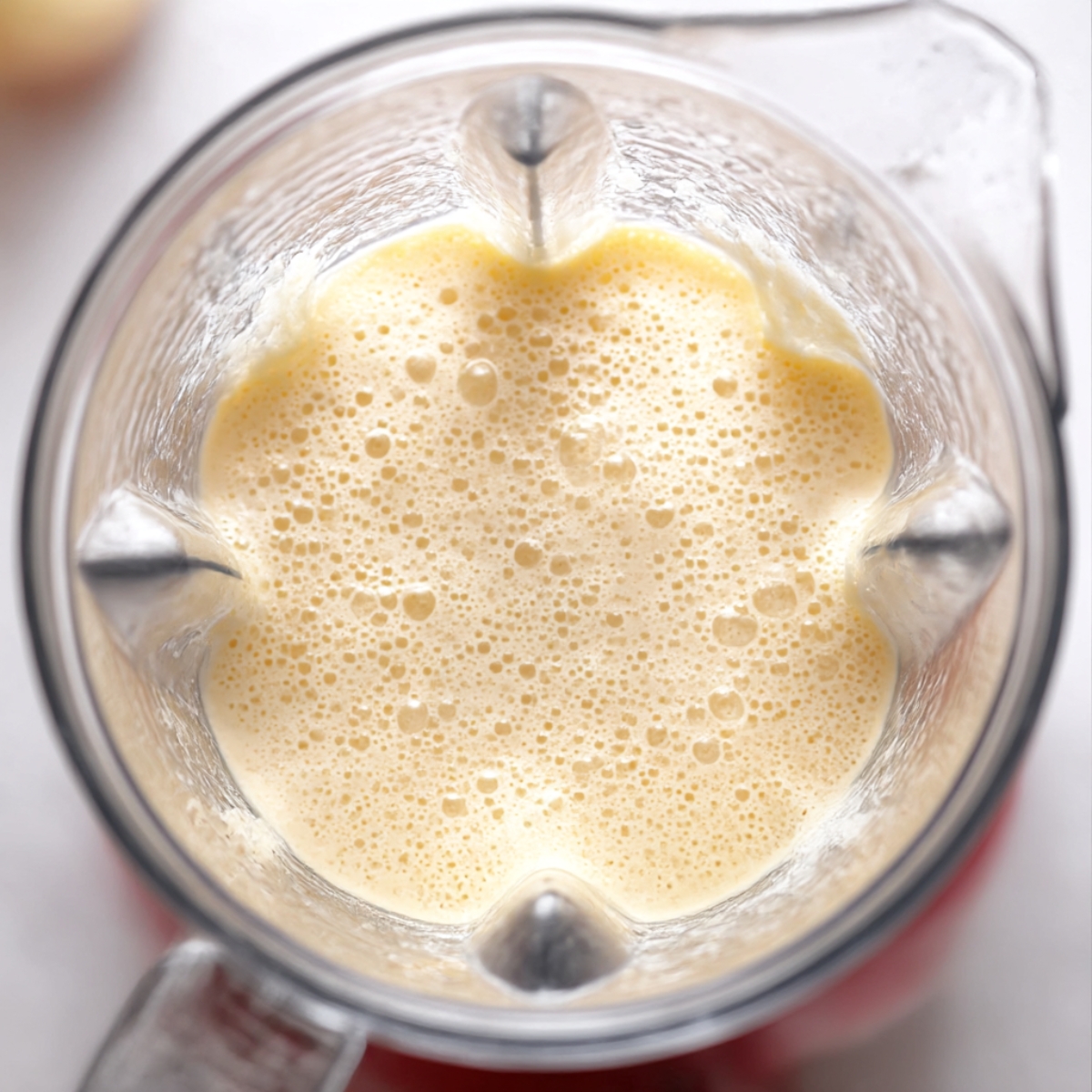
Blend the batter: Add the eggs, flour, whole milk, vanilla, and salt to a high-powered blender. Blend until the mixture is completely smooth, about 30 to 45 seconds. A smooth batter helps the German pancake rise evenly.
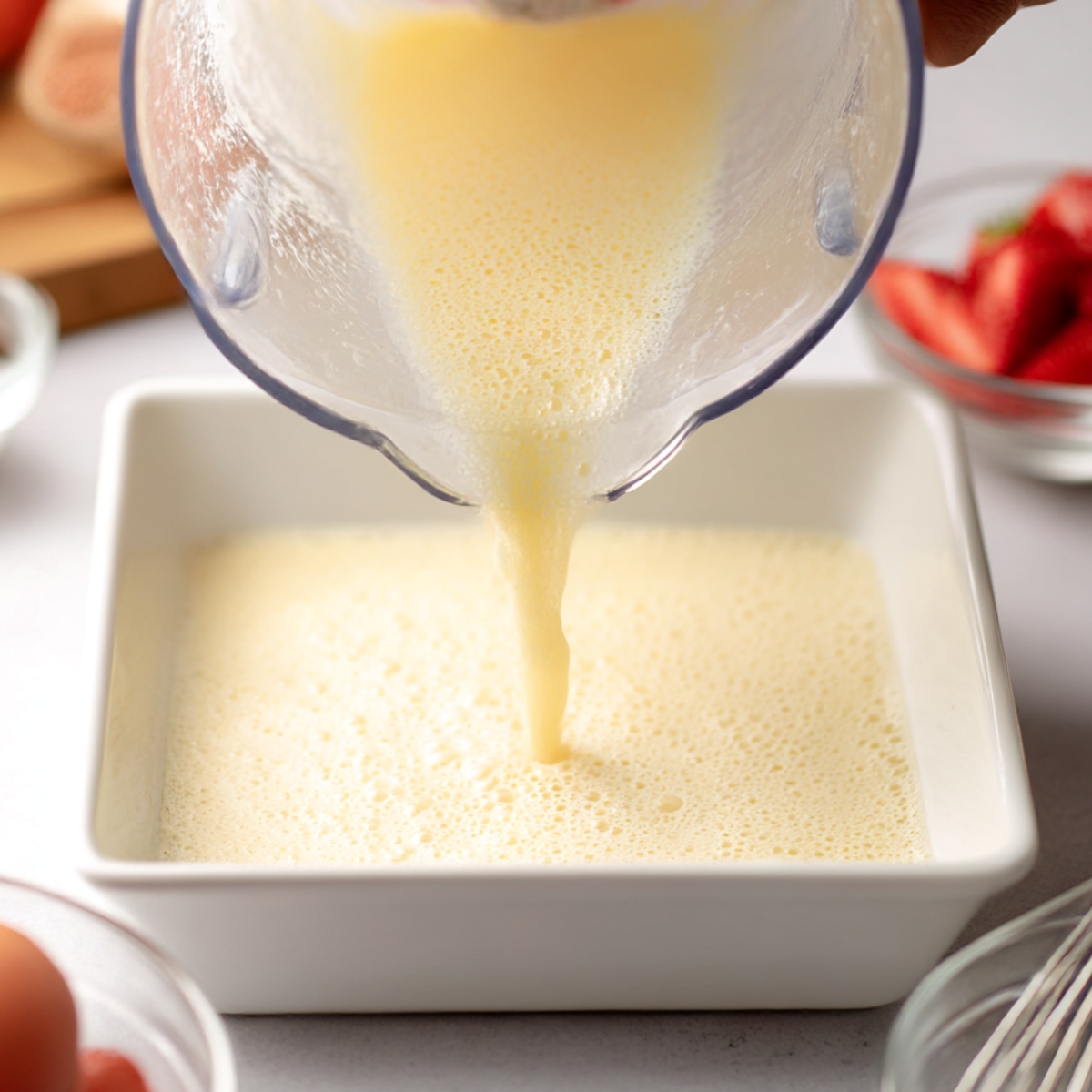
Pour into the dish: Carefully remove the hot baking dish from the oven. Pour the blended batter directly over the melted butter. Don't stir, just let it settle naturally in the dish.
Bake: Return the dish to the oven and bake for 20 to 25 minutes. Watch for the edges to climb high up the sides of the pan and turn golden brown. The center will look set and lightly golden. This is when your German pancake is ready.
Serve immediately: Pull it from the oven and top with a squeeze of lemon juice and a generous dusting of powdered sugar. Add fresh berries or a drizzle of maple syrup and bring it straight to the table while it's still warm and puffy.
Substitutions and Variations
No whole milk? Two percent milk works fine. The texture will be slightly less rich but still delicious.
Dairy-free option: Swap the butter for vegan butter and use oat milk or almond milk in place of the whole milk.
Gluten-free: A 1-to-1 gluten-free flour blend works well here without changing the method.
Add flavor: A pinch of cinnamon or nutmeg in the batter gives your German pancake a warm, spiced twist that pairs beautifully with apple or pear toppings.
Savory version: Skip the vanilla and add a pinch of pepper and shredded gruyere or parmesan to the batter for a savory German pancake that works beautifully for brunch.
Equipment for German pancakes
High-powered blender: A smooth batter is key to a good rise. A blender gets there much faster and more consistently than a whisk.
9x13-inch baking dish: The size matters here. This dish gives the batter enough room to spread, climb the edges, and puff up properly.
Storage Tips
German pancakes are best eaten fresh and warm, right out of the oven. They will start to deflate as they cool, which is completely normal.
Leftovers: Store any remaining German pancake in an airtight container in the refrigerator for up to 2 days. Reheat in a 350°F oven for about 5 minutes or warm briefly in the microwave.
Freezing: This recipe is not ideal for freezing, as the texture changes significantly once thawed. For best results, make it fresh each time.
Expert Tips for Perfect German Pancakes
Use a hot dish. The butter needs to be fully melted and the dish needs to be hot when you pour in the batter. This is what creates those dramatic, puffy edges.
Blend, don't whisk. A blender creates a much smoother batter than a bowl and whisk. Smooth batter means a better, more even puff.
Don't open the oven early. Keep the oven door closed for at least the first 15 minutes. Opening it too soon can cause your German pancake to fall flat before it sets.
Serve fast. These beauties start to deflate within a few minutes of coming out of the oven. Have your toppings ready to go before the timer goes off.
Room temperature eggs. If you have a few minutes, pull your eggs out of the fridge ahead of time. Room temperature eggs blend more evenly and can help the batter rise a little better.
FAQ
What is different about German pancakes?
Unlike traditional American pancakes, German pancakes are baked in the oven rather than cooked on a stovetop griddle. They use a much higher ratio of eggs, which is what creates that dramatic puff and the soft, custardy center. No flipping, no batch cooking, just one big beautiful pancake for the whole table.
What are German pancakes called?
They're often called Dutch baby pancakes, Dutch babies, or puff pancakes. The German pancake name and Dutch baby name are used interchangeably for the same basic recipe, though the exact origins of each name are a little murky. In Germany, a similar dish is called Pfannkuchen.
What is pfannkuchen?
Pfannkuchen is a traditional German pancake that literally translates to "pan cake." It's similar in spirit to the German pancakes we know in American home cooking, though regional German versions can vary quite a bit in thickness, fillings, and preparation.
Why are my German pancakes not fluffy?
A few common culprits: the baking dish wasn't hot enough before the batter went in, the oven door was opened too early, or the batter wasn't smooth enough. Make sure your butter is fully melted and sizzling in a hot dish, blend the batter completely, and resist opening the oven for the first 15 minutes. Those three things make a big difference with German pancakes.
Related
Looking for other recipes like this? Try these:

Pairing
These are my favorite dishes to serve with [this recipe]:

German Pancakes (Dutch Baby)
Ingredients
Equipment
Method
- Preheat your oven to 425°F. Place the butter into a 9x13-inch baking dish and let it melt while the oven heats.
- In a high-powered blender, combine the eggs, flour, milk, vanilla extract, and a pinch of salt. Blend until smooth.
- Once the butter has melted and the oven is preheated, carefully pour the pancake batter into the hot dish. Do not stir the batter after pouring! This will create pools of butter around the edges as it bakes.
- Bake the pancake for 20-25 minutes, or until it puffs up significantly and the edges turn a golden brown. The middle will be slightly soft but set.
- Remove the pancake from the oven and squeeze a bit of fresh lemon juice on top. Dust generously with powdered sugar. If desired, add toppings like fresh berries or maple syrup.
Leave a Reply