
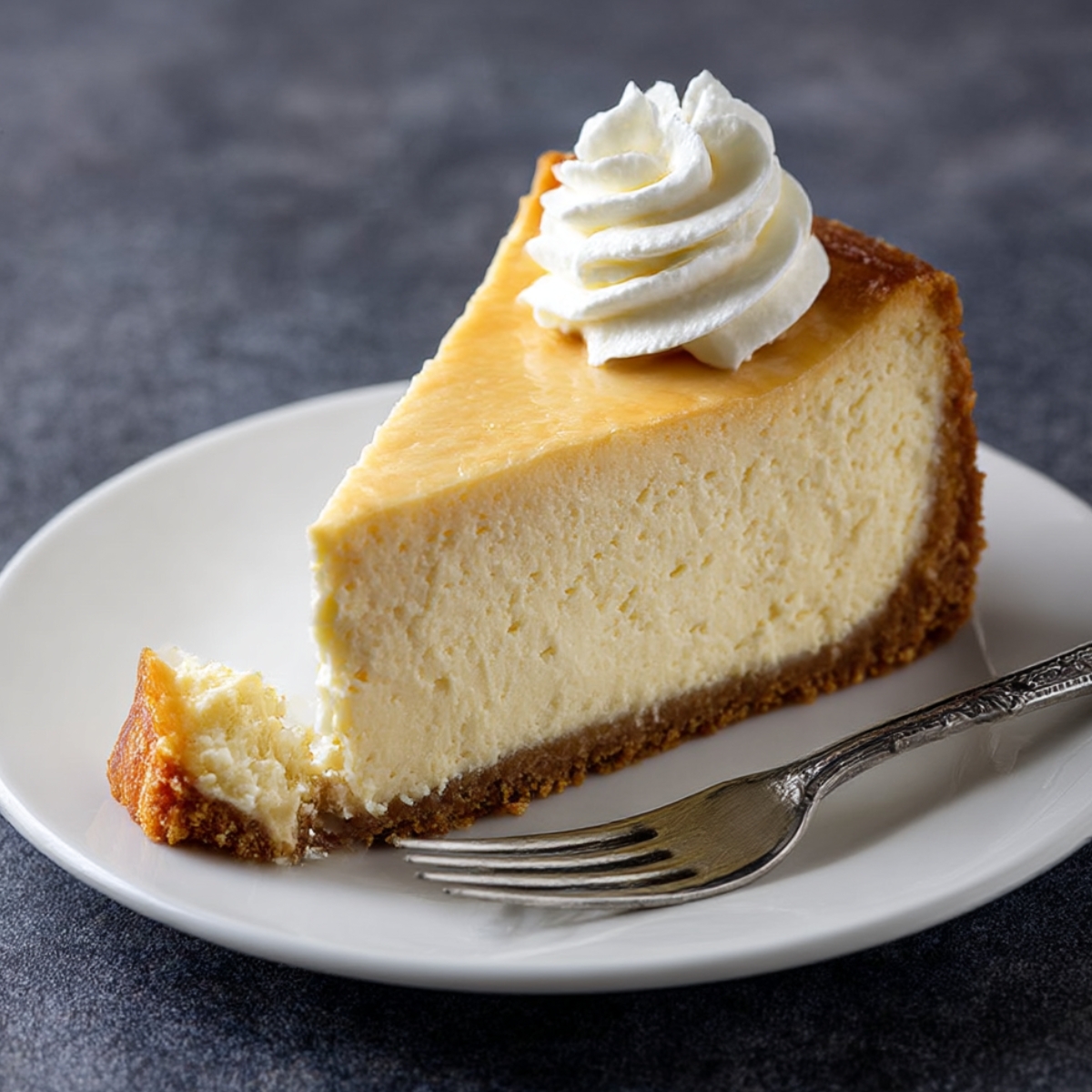
There's a moment right after you slice into a perfectly chilled Creamy Cheesecake when everything just goes quiet. The knife glides through that velvety filling, the graham cracker crust holds its shape, and you already know, before the first bite, that this one turned out exactly right. I made this recipe for the first time on a rainy November afternoon, and honestly, I haven't stopped making it since. It comes together with simple everyday ingredients, and the results taste like something you'd pay serious money for at a restaurant.
If you love easy, show-stopping desserts, you might also enjoy my Strawberry Shortcake Truffles, Red Velvet Cheesecake Balls, and Chocolate Raspberry Cake for more indulgent treats worth bookmarking. And when you're in the mood for something a little different, my Cinnamon Twists and Lemon Cream Cheese Dump Cake Recipe never disappoint either.
Why You'll Love This Creamy Cheesecake
This isn't just a good cheesecake. It's the kind of creamy cheesecake that people ask you to bring to every gathering from here on out. Here's why it works so well:
- The filling is made with five full blocks of cream cheese, which gives it that dense, rich, bakery-style texture.
- A water bath keeps the top crack-free and the texture silky all the way through.
- The buttery graham cracker crust bakes up perfectly golden and holds every single slice together.
- It's genuinely easy to make, even if it's your first time baking a cheesecake.
- The overnight chill makes it taste even better the next day, which means you can make it ahead without any stress.
Jump to:
- Why You'll Love This Creamy Cheesecake
- Ingredients for the Best Creamy Cheesecake
- How to Make This Creamy Cheesecake
- Substitutions and Variations
- Equipment for the Best Creamy Cheesecake
- Storage Tips
- Expert Tips for a Perfect Creamy Cheesecake
- FAQ for the Best Creamy Cheesecake
- Related
- Pairing
- Ultimate Creamy Cheesecake
Ingredients for the Best Creamy Cheesecake
For the Graham Cracker Crust:
- Graham cracker crumbs (2 cups / 198 g): The base of the crust. They press together beautifully with butter and bake into something crisp and golden.
- Sugar (⅓ cup / 67 g): Adds a touch of sweetness to balance the buttery crumbs.
- Butter, melted (7 tablespoons / 99 g): Binds the crust together and gives it that rich, toasty flavor. Don't skimp here.
For the Creamy Cheesecake Filling:
- Full-fat cream cheese (5 blocks / 40 oz), room temperature: The star of this recipe. Full-fat cream cheese is non-negotiable for a proper creamy cheesecake filling. Room temperature is important so it blends without lumps.
- Granulated sugar (1 ½ cups / 300 g): Sweetens the filling evenly and helps create that smooth texture.
- Pure vanilla extract (1 tablespoon): Adds warmth and depth. Pure vanilla makes a noticeable difference over imitation.
- Large eggs (5), room temperature: Give the cheesecake structure and help it set properly. Adding them one at a time keeps the batter from breaking.
- Large egg yolks (3), room temperature: Extra yolks make the filling richer and more velvety. This is one of the tricks that takes a good cheesecake to a great one.
- Heavy cream (½ cup / 113 ml), room temperature: Loosens the filling just enough to create that signature silky texture. An optional extra ¼ cup makes it even creamier if that's your preference.
See recipe card for quantities.
How to Make This Creamy Cheesecake
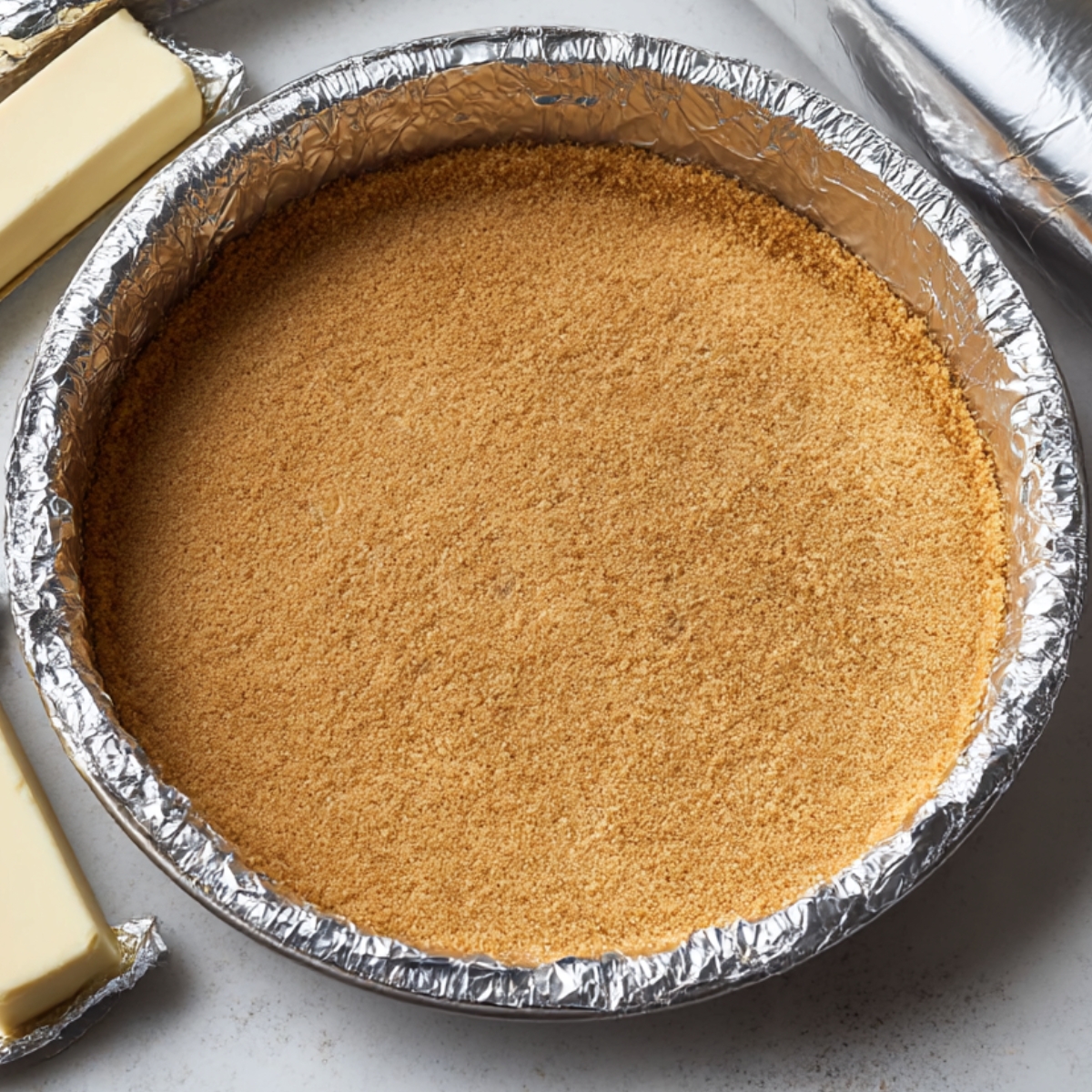
Preheat and prep: Preheat your oven to 350°F (177°C). Lightly spray a 9-inch springform pan with non-stick spray. Wrap the bottom and sides of the pan with several layers of heavy-duty aluminum foil to protect against the water bath later.
Make the crust: In a large bowl, stir together the graham cracker crumbs, sugar, and melted butter until everything is evenly combined and looks like wet sand. Press the mixture firmly into the bottom of your prepared pan, using the bottom of a measuring cup to pack it in tight. Bake for 8 minutes, then transfer to a cooling rack.
Beat the cream cheese: In a stand mixer or using a high-power blender or hand mixer, beat the room-temperature cream cheese until it's completely smooth, scraping down the sides of the bowl as you go. This step matters. Any lumps now will stay in your finished cheesecake.
Add sugar and vanilla: Beat in the granulated sugar and vanilla extract until fully combined and creamy.
Add eggs slowly: Add the eggs and yolks one at a time, beating well after each addition. This keeps the batter smooth and prevents air bubbles that can cause cracks.
Stir in cream: Add the heavy cream and stir until just combined. Don't overmix at this stage.
Assemble: Pour the creamy cheesecake filling over the cooled crust and smooth the top evenly with a silicone spatula.
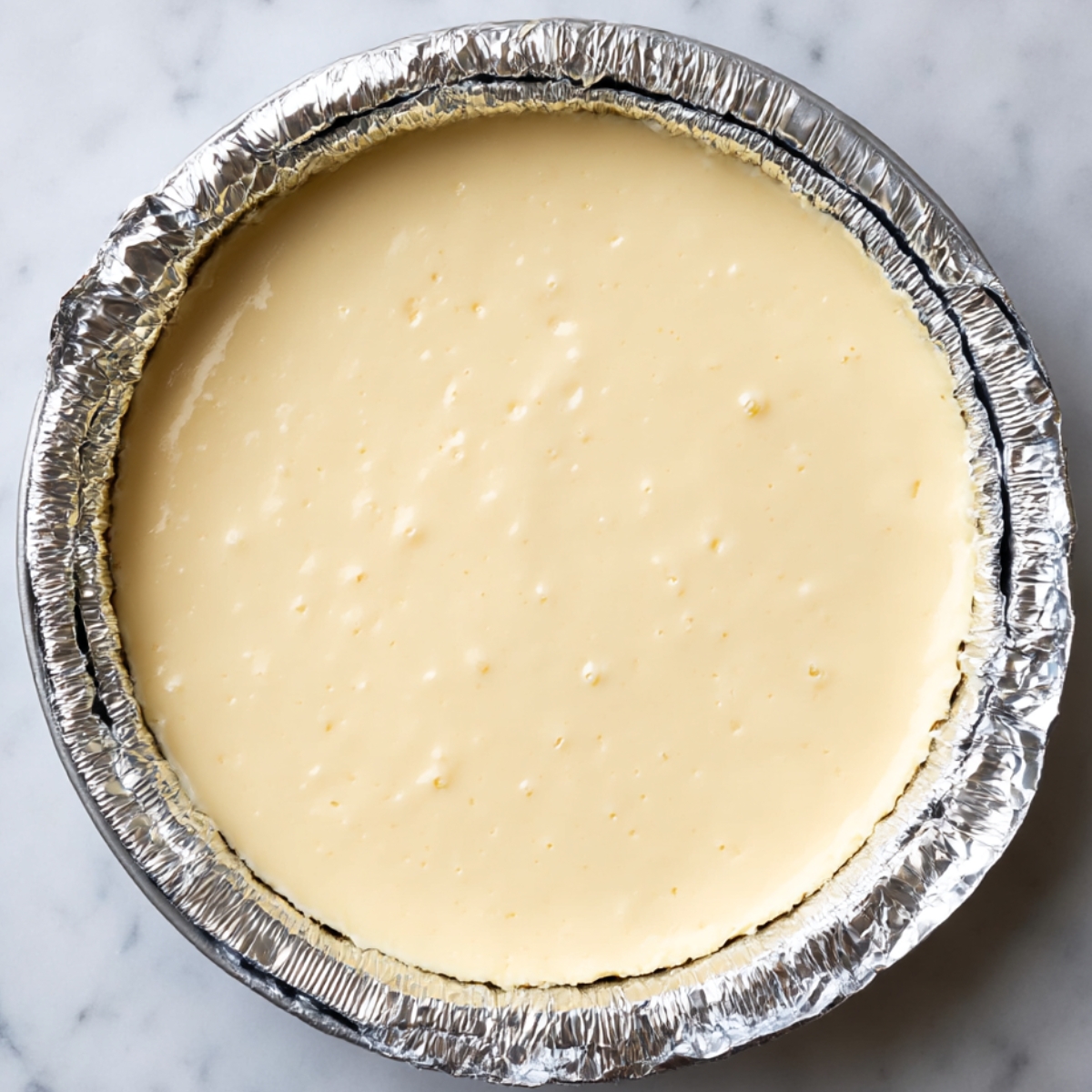
Set up the water bath: Place the foil-wrapped springform pan inside a large deep roasting pan. Pour about 2 inches of hot water around the springform pan. This steam bath is what keeps the cheesecake smooth, crack-free, and incredibly creamy all the way through.
Bake: Carefully transfer the roasting pan to the oven and bake for 1 hour and 10 minutes. The edges should look set and slightly puffed, but the center should still have a gentle wobble when you nudge the pan.
Rest in the oven: Turn the oven off and leave the cheesecake completely undisturbed inside with the door closed for 45 minutes. This gradual cool-down prevents cracking.
Cool and chill: Remove the cheesecake from the oven and run a thin knife carefully around the edge to loosen it from the pan. Let it cool completely on a cooling rack, then cover loosely with plastic wrap and refrigerate for at least 8 hours, or overnight. The wait is absolutely worth it.
Substitutions and Variations
- No graham crackers? Crushed digestive biscuits or vanilla wafers work beautifully for the crust.
- Extra creaminess: Use the full ¾ cup of heavy cream for an even silkier cheesecake filling.
- Add a topping: Fresh strawberries, blueberry compote, or a drizzle of salted caramel all pair wonderfully with this creamy cheesecake.
- Gluten-free option: Use gluten-free graham-style crackers for the crust and the rest of the recipe stays the same.
Equipment for the Best Creamy Cheesecake
- 9-inch springform pan
- Heavy-duty aluminum foil
- Non-stick spray
- Large mixing bowls
- High-power blender, food processor, or stand mixer with whisk attachment
- Silicone spatula
- Large deep roasting pan (for the water bath)
- Cooling rack
- Knife for loosening edges
- Measuring cups and spoons
Storage Tips
Refrigerator: Store your creamy cheesecake covered in the springform pan in the fridge for up to 5 days. It actually tastes even better on day two once the flavors have settled in.
Freezer: Wrap individual slices or the whole cheesecake tightly in plastic wrap and then foil and freeze for up to 2 months. Thaw overnight in the refrigerator before serving.
Expert Tips for a Perfect Creamy Cheesecake
Patience with the chill time. Eight hours is the minimum. Overnight is better. A fully chilled creamy cheesecake slices cleanly and has the best texture of all.
Room temperature matters more than you think. Cold cream cheese doesn't blend smoothly, and that leads to lumps in your filling. Pull everything out of the fridge at least an hour before you start.
Don't skip the water bath. It's the single biggest difference between a cracked, dry cheesecake and a silky, crack-free creamy cheesecake. Take the extra five minutes to set it up.
Don't overmix after adding the eggs. Once the eggs go in, mix only until combined. Too much air in the batter causes puffing and cracking.
The wobble is your friend. A slightly jiggly center when you take the cheesecake out of the oven is exactly what you want. It firms up beautifully during chilling.
FAQ for the Best Creamy Cheesecake
What makes a cheesecake creamy?
The creaminess comes from full-fat cream cheese beaten until completely smooth, combined with heavy cream and extra egg yolks. The water bath during baking also plays a big role, keeping the texture silky rather than dense or rubbery. Using room-temperature ingredients so everything blends evenly is just as important as what goes into the batter.
What makes New York cheesecake different than regular cheesecake?
New York cheesecake typically uses more cream cheese and sour cream, giving it a denser, tangier flavor. This creamy cheesecake leans toward the New York style with its generous amount of cream cheese but uses heavy cream instead of sour cream for an even silkier, more velvety result. The texture is noticeably richer and smoother than a standard cheesecake.
Is sour cream or heavy cream better for cheesecake?
Both work well, but they give different results. Sour cream adds a subtle tang and a slightly firmer texture, while heavy cream creates a more luxurious, smooth, melt-in-your-mouth filling. This recipe uses heavy cream for maximum creaminess, though you can swap in sour cream if you prefer a slightly tangier flavor profile.
Can a diabetic eat cheesecake?
In small portions, cheesecake can be enjoyed occasionally by people managing diabetes, though it does contain significant amounts of sugar and carbohydrates. A small slice as an occasional treat is generally fine for many people, but individual needs vary. Swapping the granulated sugar for a diabetic-friendly sweetener like erythritol or allulose can lower the glycemic impact significantly. Always check with a healthcare provider for personal dietary guidance.
Related
Looking for other recipes like this? Try these:
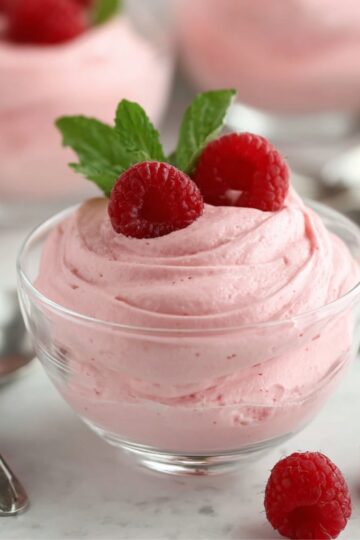
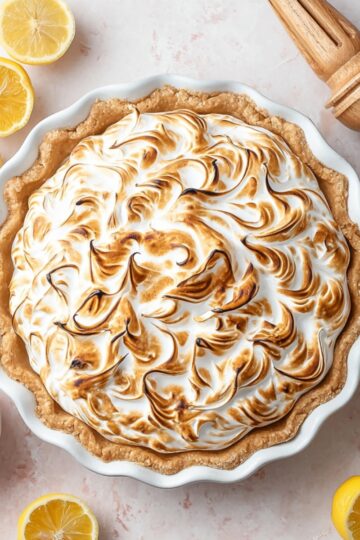
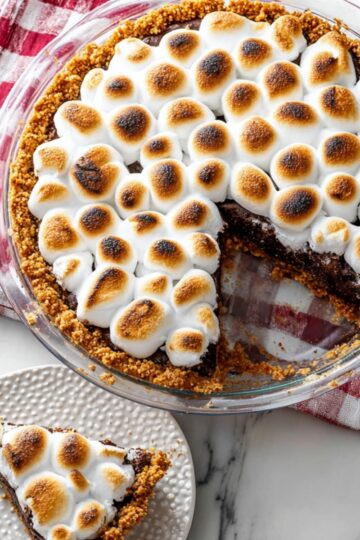
Pairing
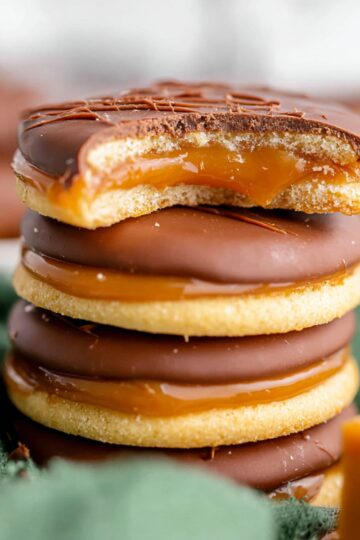
These are my favorite dishes to serve with [this recipe]:

Ultimate Creamy Cheesecake
Ingredients
Equipment
Method
- Preheat the oven to 350°F (175°C). Lightly coat a 9-inch springform pan with non-stick spray.
- Wrap the pan with heavy-duty aluminum foil on the bottom and sides. Set aside.
- Mix graham cracker crumbs, sugar, and melted butter in a bowl until combined.
- Press the mixture firmly into the bottom of the prepared pan.
- Bake the crust for 8 minutes, then place on a cooling rack while preparing filling.
- Beat cream cheese in a stand mixer, food processor, or large bowl with a hand mixer until smooth.
- Add sugar and vanilla extract, mixing until evenly incorporated.
- Add eggs and yolks one at a time, beating well after each addition.
- Pour in heavy cream and mix until just blended.
- Pour the filling over the crust and smooth the top with a spatula.
- Place the springform pan in a deep roasting pan and pour in 2 inches of hot water.
- Bake for 1 hour 10 minutes. Turn off oven and let cheesecake sit in the closed oven for 45 minutes.
- Run a knife around the edges, then place cheesecake on a cooling rack to reach room temperature.
- Cover loosely with plastic wrap and refrigerate for at least 8 hours.
- Slice using a sharp knife, wiping between cuts, and serve with whipped cream or fruit sauce.
- Store leftovers wrapped in plastic in the refrigerator for up to 5 days, or freeze for up to 2 months.
Leave a Reply