
This Best Turkish Bread is thick, soft, and puffs up like a little cloud right before your eyes. The first time I made it, I stood over the pan watching it balloon up and honestly couldn't stop smiling. It uses simple pantry ingredients, comes together with minimal effort, and you don't even need an oven.
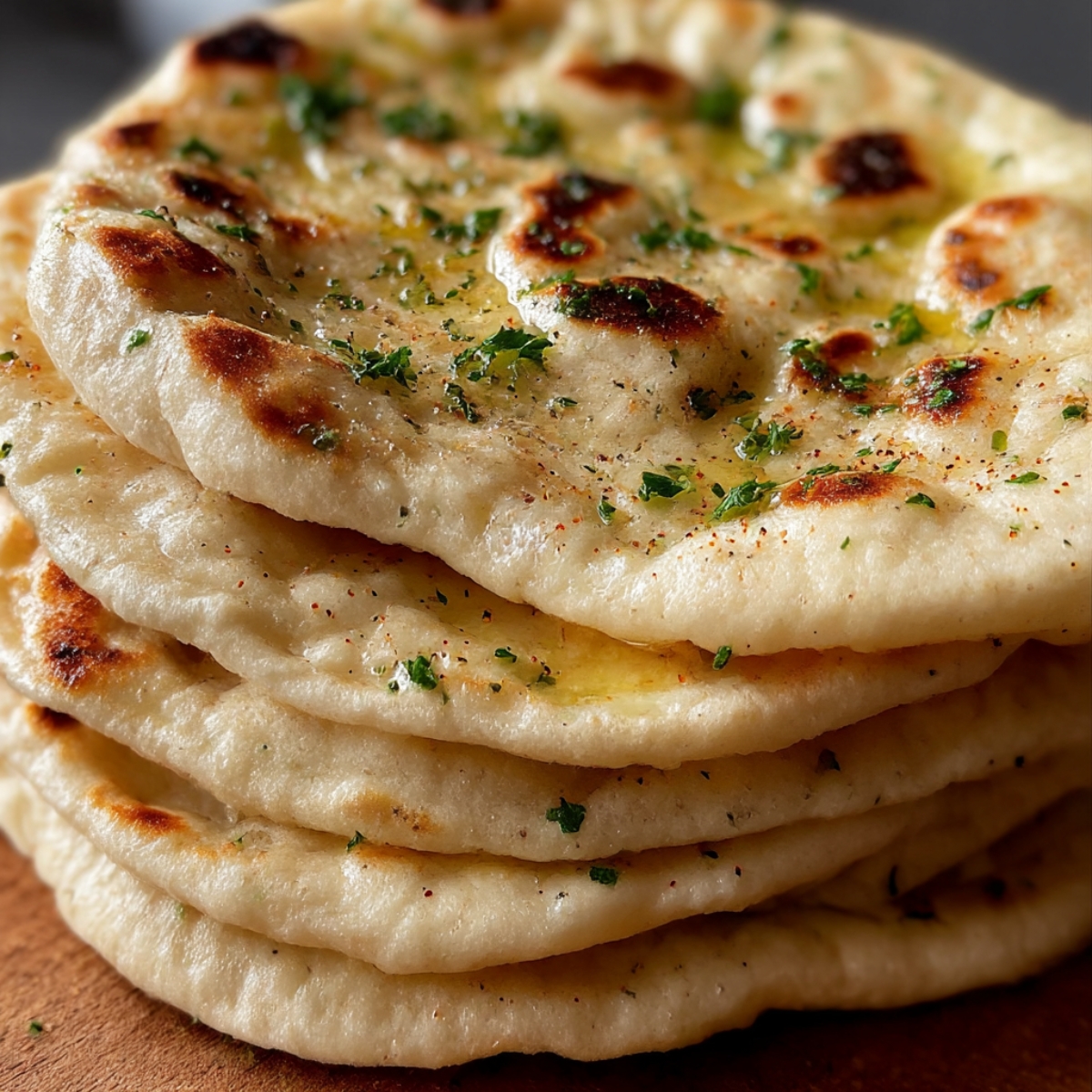
Whether you're wrapping it around Chicken Shawarma, tearing it apart to dip into a rich butter chicken, or just eating it warm with a little butter, this bread fits every mood. If you love baking comfort foods at home, you might also enjoy these cozy favorites: Crispy Apple Fritters Recipe, Cottage Cheese Egg Bake, One Hour Cinnamon Rolls, Coffee Cake Muffins with Cinnamon Swirl, Cinnamon Cruffin Recipe, and Dutch Oven Bread Recipe.
Why You'll Love This Turkish Bread
This soft, golden Turkish Bread has become a staple in my kitchen for so many reasons. Here's why it'll become one in yours too.
No oven needed. This entire recipe is made on the stovetop, which makes it perfect for warmer months or small kitchens.
Minimal ingredients. You only need flour, yeast, milk, water, salt, sugar, and an optional butter topping. That's it.
Incredibly versatile. Use it as a wrap for chicken shawarma, a dipper for curry, a side for soups, or just eat it warm with butter.
The puff is real. Watching this Turkish Bread balloon up in the pan is genuinely satisfying every single time.
Great for beginners. Even if you've never made bread before, this recipe is forgiving, fun, and practically foolproof.
Jump to:
Ingredients for No-Knead Turkish Bread
Here's everything you'll need to make six rounds of soft, puffy Turkish Bread.
For the Dough
Bread flour or all-purpose flour (500g / 4 cups): Forms the structure of this Turkish Bread and gives it that soft, chewy texture. Bread flour will give you a slightly chewier result, while all-purpose flour keeps things tender and light.
Warm milk (160ml / ⅔ cup): Adds richness and helps create a softer crumb than water alone. Make sure it's warm, not hot, so it activates the yeast properly.
Warm water (160ml / ⅔ cup): Works alongside the milk to hydrate the dough and help it come together smoothly.
Instant dry yeast (10g / 1.5 tbsp): The rising agent that makes this Turkish Bread light and airy. Instant yeast doesn't need to be proofed separately, just mix it right in.
Sugar (10g / 1 tbsp): Feeds the yeast and encourages a good rise. It also adds the tiniest hint of sweetness to the dough.
Salt (8g / 0.8 tbsp): Balances the flavor and strengthens the dough structure.
For the Topping (Optional)
Melted unsalted butter or olive oil (20g): Brushed on right after cooking, this adds a gorgeous sheen and a rich, buttery finish to your Turkish Bread.
Chopped parsley: A fresh, colorful garnish that makes the bread look beautiful and adds a light herby flavor.
See recipe card for quantities.
How to Make No-Knead Turkish Bread
Follow these simple steps for soft, puffy Turkish Bread every single time.
Activate the yeast: In a large mixing container, combine the warm milk, warm water, sugar, and instant dry yeast. Stir gently until everything dissolves. You should start to see a little foam forming after a few minutes, that means your yeast is alive and ready.
Add flour and salt: Pour in the flour and salt. Mix everything together until a shaggy dough forms and no dry flour remains.
Knead until smooth: Work the dough by hand for a few minutes until it becomes smooth and pulls away cleanly from your hands. It should feel soft and just slightly tacky, not sticky.
First rise: Cover the dough with a clean towel or plastic wrap and let it rest in a warm spot for about 1 hour, or until it has doubled in size. This is where the flavor develops and the dough becomes light and airy.
Divide and shape: Once risen, punch the dough down gently and divide it into 6 equal pieces. Roll each piece into a smooth ball and cover them loosely with a plastic bag so they don't dry out.
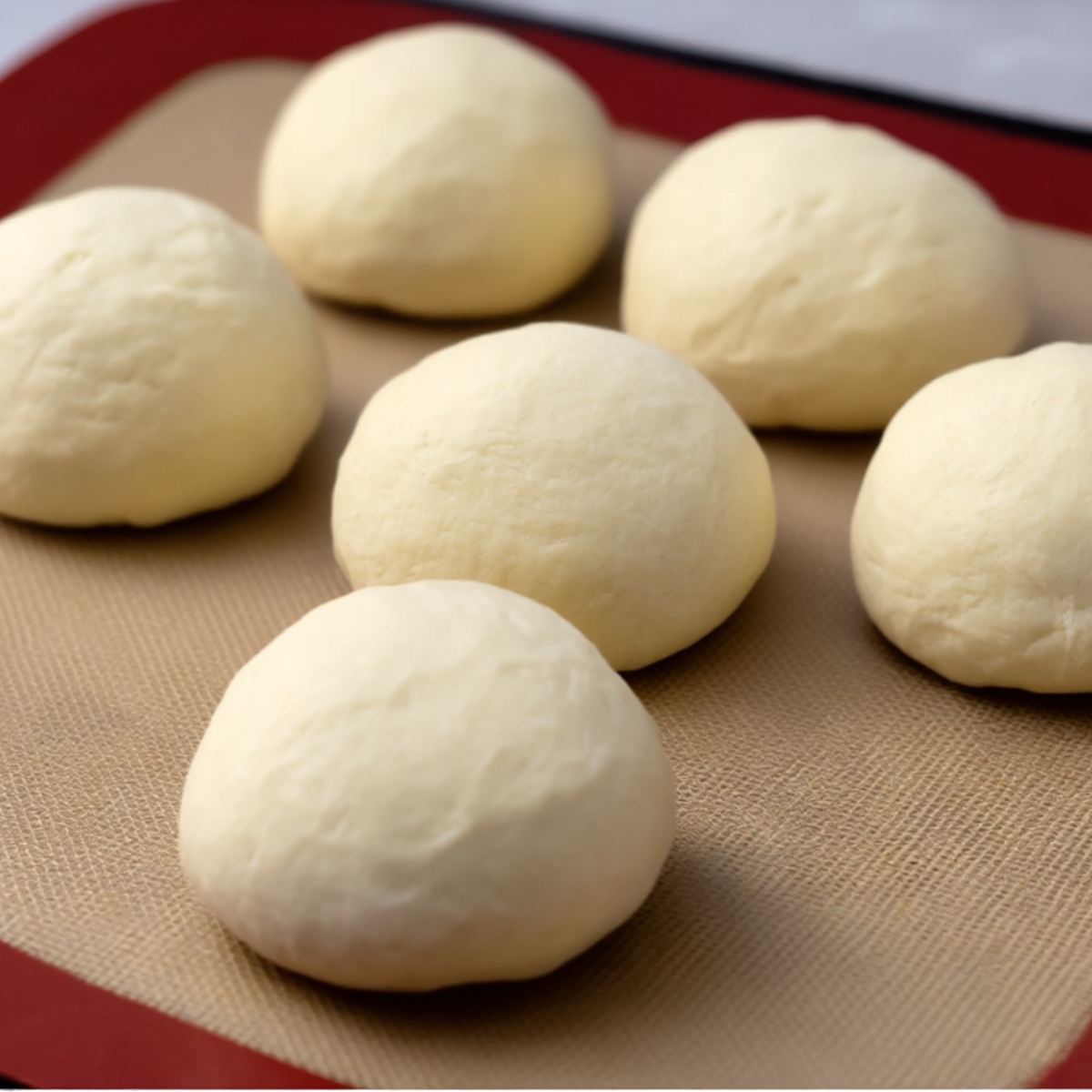
Roll out the dough: On a lightly floured surface, roll each ball into a round about 18cm in diameter and roughly 5mm thick. Try to keep the thickness even so the bread cooks uniformly.
Preheat the pan: Heat a thick pan over medium heat for a couple of minutes. A heavy-bottomed pan works best here because it holds heat evenly and encourages that beautiful puff.
Cook the bread: Place one dough round into the dry pan. Cook until bubbles start forming on the surface, then flip it. You'll see the bread begin to puff up, sometimes dramatically.
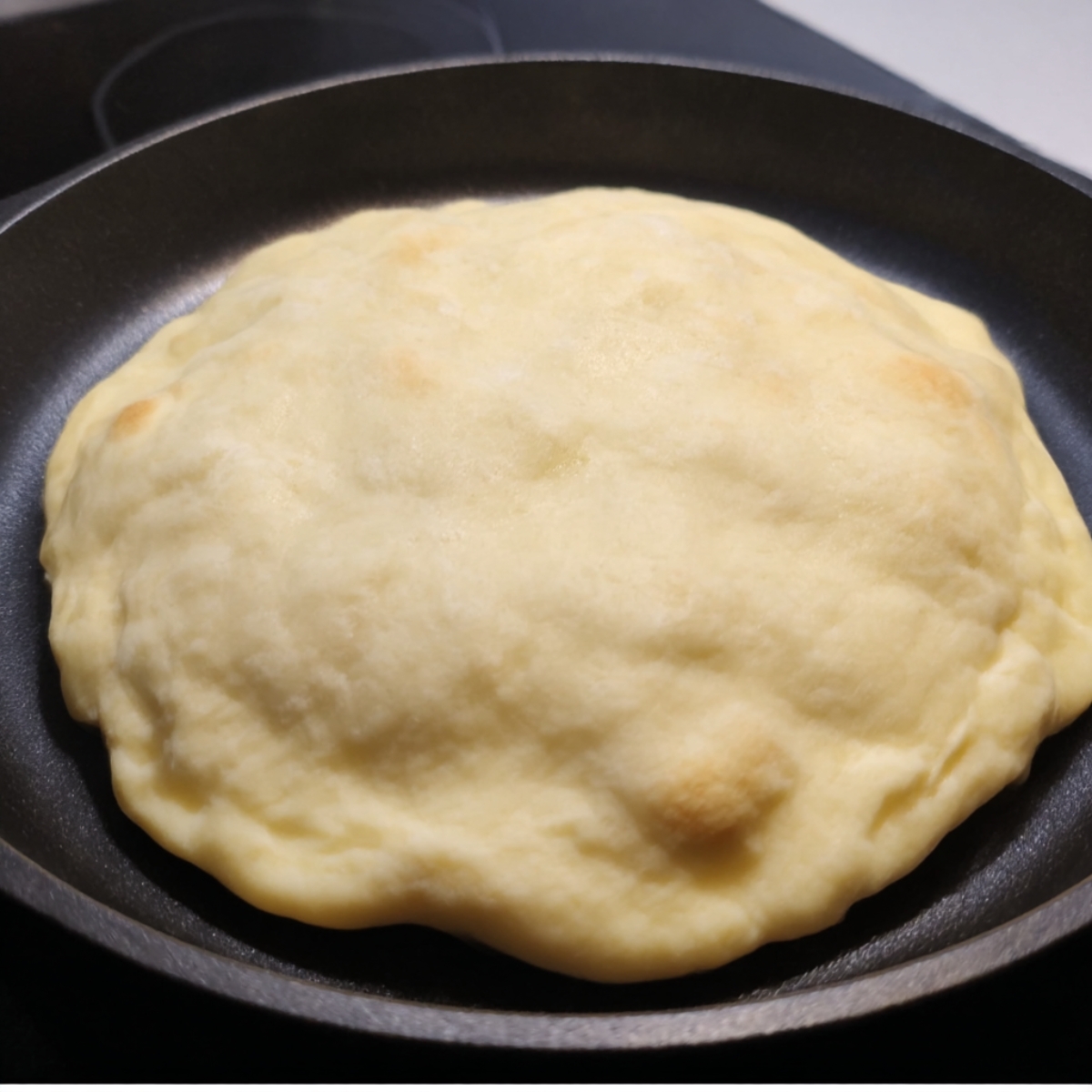
Lower the heat and let it balloon: Once the Turkish Bread starts puffing up like a balloon, lower the heat to low. This gentle heat cooks the inside without burning the outside.
Cover with a cloth: Drape a clean cloth over the cooked bread to trap steam and keep it soft and flexible. Repeat with the remaining dough rounds.
Finish with butter and parsley (optional): Brush each warm piece of Turkish Bread with melted butter or olive oil and scatter over some chopped parsley. This step is optional but highly, highly recommended.
Serve warm: Pile them up, wrap them, dip them, or just eat one straight off the pan. Enjoy.
Substitutions and Swaps
This Turkish Bread recipe is flexible. Here are a few easy swaps if you need them.
Flour: All-purpose flour works beautifully if you don't have bread flour on hand. For a slightly denser, heartier result, you can swap up to half the flour for whole wheat.
Milk: Oat milk or almond milk both work well as dairy-free alternatives. The texture stays soft and the bread still puffs nicely.
Butter: Olive oil makes a lovely topping if you prefer dairy-free or want a more savory, Mediterranean flavor on your Turkish Bread.
Yeast: If you only have active dry yeast, dissolve it in the warm liquid for about 10 minutes before adding the flour.
Equipment You'll Need
Clean cloth (for covering the bread and keeping it soft)
Mixing container
Rolling pin
Thick pan (a heavy-bottomed skillet or cast iron pan works best)
Storage Tips for Turkish Bread
This Turkish Bread is honestly best eaten warm and fresh, but here's how to store any leftovers.
Room temperature: Stack the cooled bread and wrap it tightly in a clean cloth or zip-lock bag. It keeps well for up to 2 days at room temperature.
Refrigerator: Store in an airtight container for up to 4 days. Reheat in a dry pan over low heat for a minute per side to bring it back to life.
Freezer: This Turkish Bread freezes wonderfully. Stack the cooled rounds with parchment between them, seal in a freezer bag, and freeze for up to 2 months. Thaw at room temperature and warm in a pan before serving.
Expert Tips for Perfect Turkish Bread
Don't skip the cloth. Covering freshly cooked Turkish Bread with a cloth traps steam and keeps it soft. Skip this step and the bread firms up quickly.
Warm your liquids gently. The milk and water should feel warm to the touch, like a comfortable bath, not hot. Too much heat will kill the yeast and your bread won't rise.
Use a thick pan. A heavy-bottomed skillet or cast iron pan distributes heat evenly and helps the Turkish Bread puff up properly. Thin pans can create hot spots and uneven cooking.
Keep the thickness even. When rolling out your dough rounds, aim for a consistent 5mm thickness so every part of the bread cooks at the same rate.
Don't rush the rise. That 1-hour rest is where the magic happens. A fully risen dough makes lighter, fluffier Turkish Bread, so give it the time it needs.
FAQ
Can bread be made without an oven?
Yes, absolutely. This Turkish Bread is made entirely on the stovetop in a thick pan, no oven needed. Many traditional flatbreads around the world are cooked this way. A cast iron skillet or heavy-bottomed pan works best for even heat and a proper puff.
How to bake if I don't have an oven?
A thick stovetop pan is your best friend. For this no oven Turkish Bread recipe, you simply heat the pan over medium heat and cook each round directly. You can also use a griddle or a large non-stick skillet. The key is a heavy base and a steady, even temperature.
Why is Turkish bread different?
Turkish Bread like bazlama has a unique soft, chewy texture and that signature puffy middle that sets it apart from other flatbreads. It uses yeast for a light, airy crumb, gets cooked on a dry pan without oil, and is finished under a cloth to stay tender. It's thicker than a tortilla but lighter than pita.
What can you use instead of a bread oven?
For most flatbreads, a heavy stovetop pan does the job beautifully. A cast iron skillet, a thick non-stick pan, or even a griddle can all produce gorgeous Turkish Bread without any oven at all. Some people also use a tawa, which is a traditional Indian flat pan that works similarly.
Related
Looking for other recipes like this? Try these:



Pairing
These are my favorite dishes to serve with [this recipe]:


No-Knead Turkish Bread (Bazlama)
Ingredients
Equipment
Method
- Combine warm milk, warm water, sugar, and yeast in a container and stir until well mixed.
- Add flour and salt to the mixture, then stir until a dough forms. Knead by hand until smooth and no longer sticky.
- Cover the dough and allow it to proof until it doubles in size, about 1 hour.
- Divide the dough into 6 equal portions and shape them into rounds. Cover with a plastic bag.
- Roll each round to a size of 18 cm in diameter, ensuring it's 5 mm thick.
- Heat a pan over medium heat. Place the dough rounds in the pan and cook on each side until bubbles form. flip when necessary.
- Once the bread puffs up like a balloon, reduce the heat to low and continue baking.
- Cover with a cloth to prevent drying out while baking.
- Brush the cooked bread with melted butter or olive oil, and top with chopped parsley if desired.
Leave a Reply